


What Is a Tyre Sidewall? Get to Know the Vital Component Many Drivers Overlook
The tyre sidewall is a component of a car tyre that many people might not notice closely, as most eyes tend to focus on the tyre tread or tread patterns first. In reality, however, the tyre sidewall plays a crucial role in tyre strength and driving safety, which is no less important than any other part of the tyre.
Consequently, this article will guide you to understand exactly where the tyre sidewall is located on a car tyre, how it differs from the tyre tread, what its internal structure consists of, as well as common problems and proper maintenance methods. This comprehensive guide is proudly compiled for you by K. Charoenyangyont and K. Charoen Cockpit.
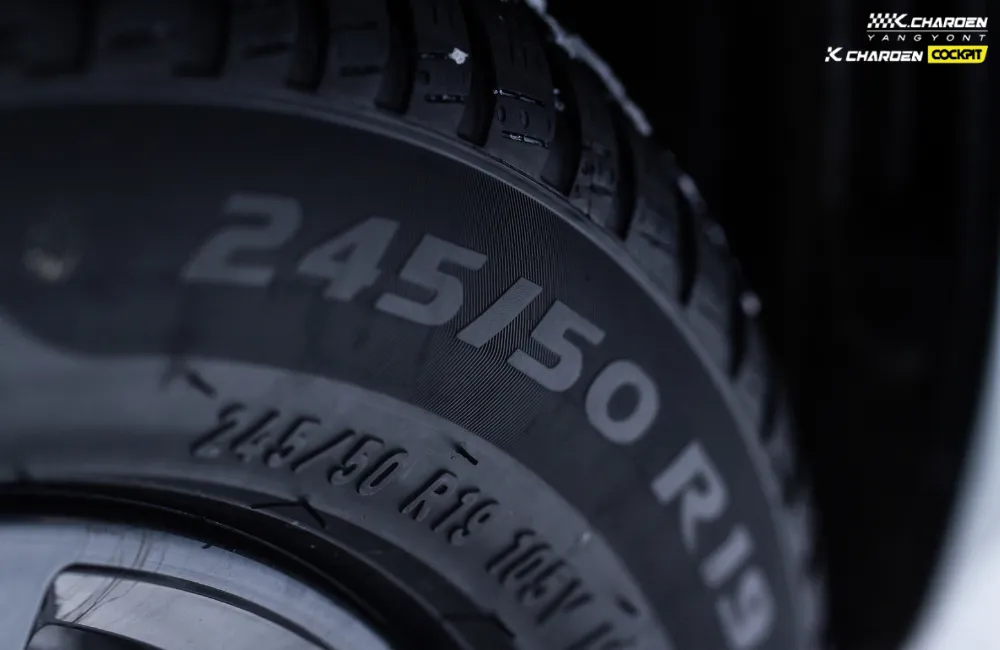
Where Is the Tyre Sidewall Located?
The tyre sidewall is the side area of a car tyre situated between the tyre tread (the portion that contacts the road surface) and the wheel rim. When viewing the wheel from the side, the curved area connecting the tread patterns to the rim is precisely what we call the “tyre sidewall.”
If you would like to see a clearer picture of how a tyre sidewall appears on an actual vehicle, you can find more details in the [Complete Car Tyre Sidewall Guide].
How Does the Tyre Sidewall Differ from the Tyre Tread?
Although the tyre sidewall and the tyre tread are both vital parts of a car tyre, they are designed to perform distinctly different functions:
- Tyre Tread: This is the section that directly contacts the road surface. It features tread patterns or grooves to enhance road grip, evacuate water, and control driving direction.
- Tyre Sidewall: This is the lateral section. Its primary function is to support the vertical load from the vehicle’s weight and provide flexibility while the vehicle is in motion. Additionally, it helps protect internal structures such as fabric plies and reinforcing elements.
Another distinct difference is that the tyre tread is typically thick and robust to withstand friction. On the contrary, the tyre sidewall possesses higher flexibility, which unfortunately makes it a more vulnerable point for cuts, tears, or bulging.
The Functions of a Tyre Sidewall That Ensure Driving Safety
The tyre sidewall functions to support the vehicle’s weight and the constant vertical pressure generated during driving. Consequently, the structure of the tyre sidewall is engineered to be highly flexible, allowing it to flex slightly in response to impacts from the road surface. When driving over potholes or rough surfaces, the sidewall helps absorb a portion of these road shocks. This process results in a smoother ride and significantly reduces the vibrations transmitted into the vehicle cabin.
Protecting the Tyre’s Internal Structure
In addition to absorbing shock, the tyre sidewall acts as a shield protecting the internal fabric plies and reinforcing structures of the car tyre. These internal components are responsible for maintaining the tyre’s shape and bearing its weight load. If the tyre sidewall sustains damage—such as being cut, torn, or bulging—the internal structure will subsequently become weakened. As a result, this condition increases the risk of a sudden flat tyre or a dangerous tyre blowout while driving.
Common Problems That Occur with Tyre Sidewalls
Because the tyre sidewall is a highly flexible component, it is also an area that is easily susceptible to damage. This vulnerability is especially true when the tyre undergoes impacts against curbs, potholes on the road surface, or sharp objects.
The most common problems frequently encountered include:
- Tyre Sidewall Bulging: Bubbles or blisters forming on the side surface.
- Torn or Cut Sidewalls: Visible slices or deep gashes on the rubber.
- Hairline Cracking: Fine cracks or dry rot lines developing over time.
- Sidewall Deterioration: Overall degradation from long-term usage.
Consequently, these types of damage directly compromise the structural strength of the tyre and significantly increase the risk of unexpected road accidents.
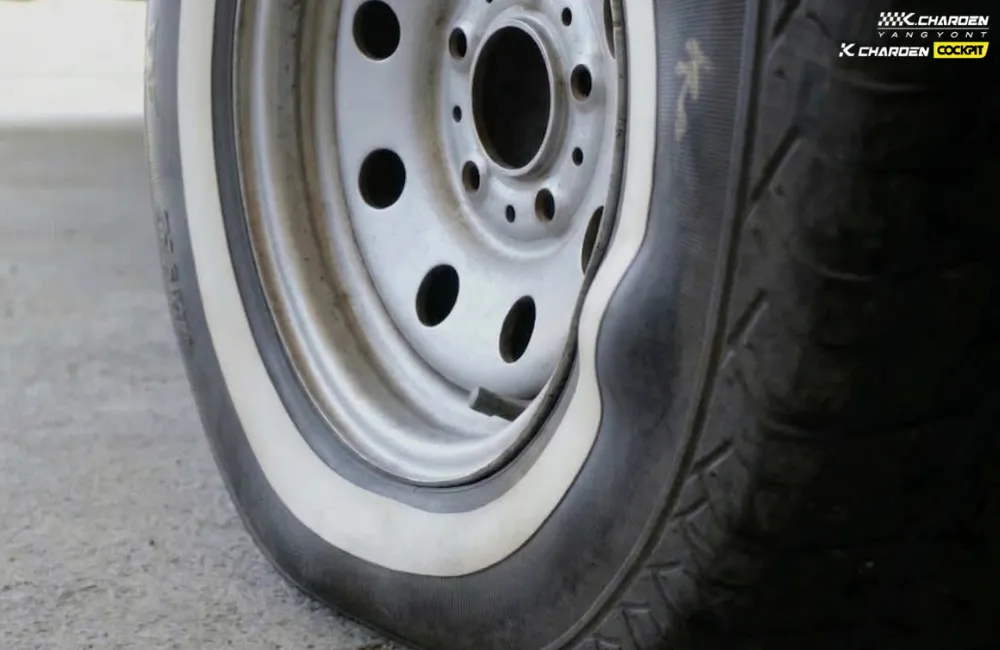
Which Types of Sidewall Damage Require Immediate Tyre Replacement?
Generally, damage sustained on the tyre sidewall area cannot be repaired safely like a typical tyre tread puncture patch. Therefore, if you detect any of the following damage characteristics, you should replace it with a new tyre immediately:
- The tyre sidewall bulging or bubbling like a balloon.
- Deep cuts or gashes that expose the internal structural layers.
- Tears or severe ripping on the sidewall rubber.
- Abnormal deformation of the tyre shape.
If your tyre exhibits any of the damages mentioned above, forcing your vehicle to continue driving on it will severely increase the risk of an unexpected flat tyre or a dangerous tyre blowout while in motion.
How to Maintain Your Tyre Sidewall for Long-Term Use
Although the tyre sidewall is engineered to be robust and flexible to bear driving pressure, it remains a component that is easily susceptible to damage if operated carelessly or without proper maintenance. Therefore, practicing correct tyre sidewall care will help extend the service lifespan of your car tyres and mitigate the risk of premature issues, such as bulging, tearing, or unexpected damage.
- Avoid driving into curbs or obstacles: This is because lateral impacts can severely damage the internal structure of the tyre sidewall, even if there are no visible marks on the exterior rubber surface.
- Maintain proper tyre inflation pressure: Ensure your tyres are inflated according to the manufacturer’s technical specifications. If the tyre pressure is too low, the sidewall must support more vertical load than usual, causing excessive flexing and rapid deterioration. Conversely, over-inflating can make the tyre overly stiff and increase the risk of damage from road shocks as well.
- Regularly inspect your vehicle’s tyres: Observe for any cuts, bulges, or hairline cracking around the sidewall area. If you detect any abnormalities, you should inspect them immediately or consult a specialist to prevent the issues from escalating and affecting your driving safety.
Ultimately, consistent car tyre maintenance does not merely help your tyre sidewalls last longer. Instead, it also ensures your journeys remain safe and substantially reduces your expenses on premature tyre replacements.
Conclusion: The Tyre Sidewall Is a Crucial Component You Should Never Overlook
After reading this article, many drivers should now clearly understand exactly where the tyre sidewall is located and how vital it is to overall driving safety. Therefore, you should consistently inspect the condition of your tyre sidewalls and avoid usage habits that could potentially cause damage. By practicing these habits, you will ensure that your tyres last longer and allow you to drive with ultimate confidence on every journey.
Contact Us
K. Charoen Yangyont Branch
Address: K. Charoen Yangyont (Sukhumvit 91 Branch)
Opening Hours: Monday – Saturday, 8:30 AM – 6:00 PM
Phone: 02 331 9911, 02 331 8882-4
Line: @kc4418
K. Charoen Cockpit Branch
Address: K. Charoen Cockpit (Udomsuk 28 Branch)
Opening Hours: Monday – Saturday, 8:30 AM – 6:00 PM
Phone: 02 393 3356, 086 318 1401
Line: @kcockpit
SHARE THIS STORY


RELATES TAGS
More Post




Get to Know Car Tyres: The Essential Component That Makes Your Vehicle Perfect
Read More →

"Wheel Alignment and Balancing Near Me": How to Choose the Right Service for Your Vehicle
Read More →


On-Site Tyre Replacement Near Me by Expert Technicians – Fast Service (K Tyre Express)
Read More →