


Get to Know Car Tyres: The Essential Component That Makes Your Vehicle Perfect
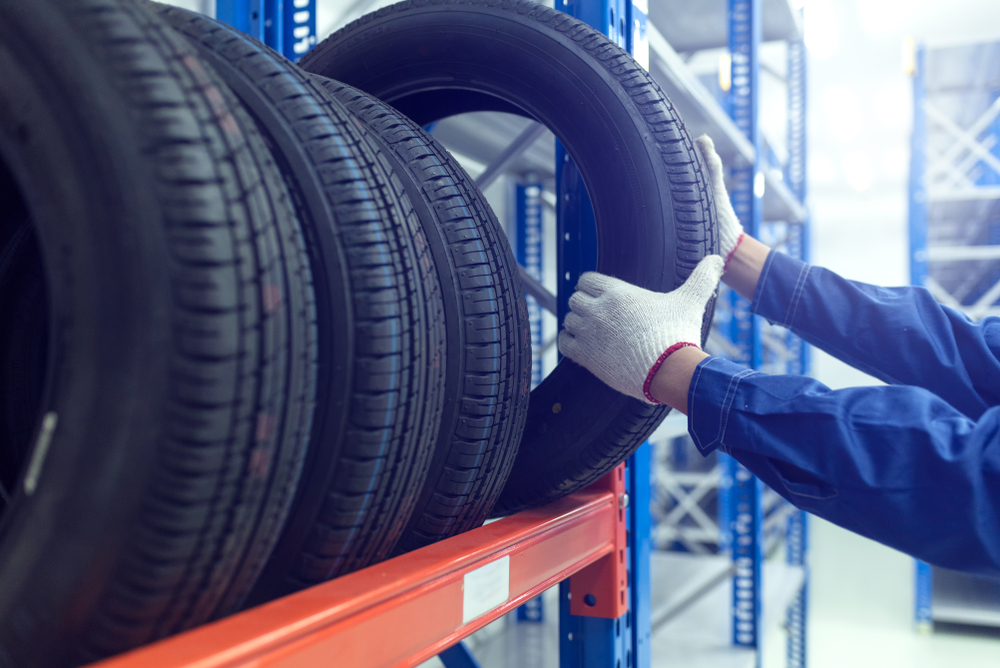
Car tyres are the components that must remain in contact with the road surface at all times. Therefore, vehicle users need to get to know this essential part to choose the tyres that are suitable for their car and their specific usage, which ensures maximum performance and safety for yourself.
In this article, K. Charoenyangyont and K. Charoen Cockpit will take you deeper into understanding car tyres. Let’s take a look at what you should know about every single tyre.
How many types of car tyres are there?
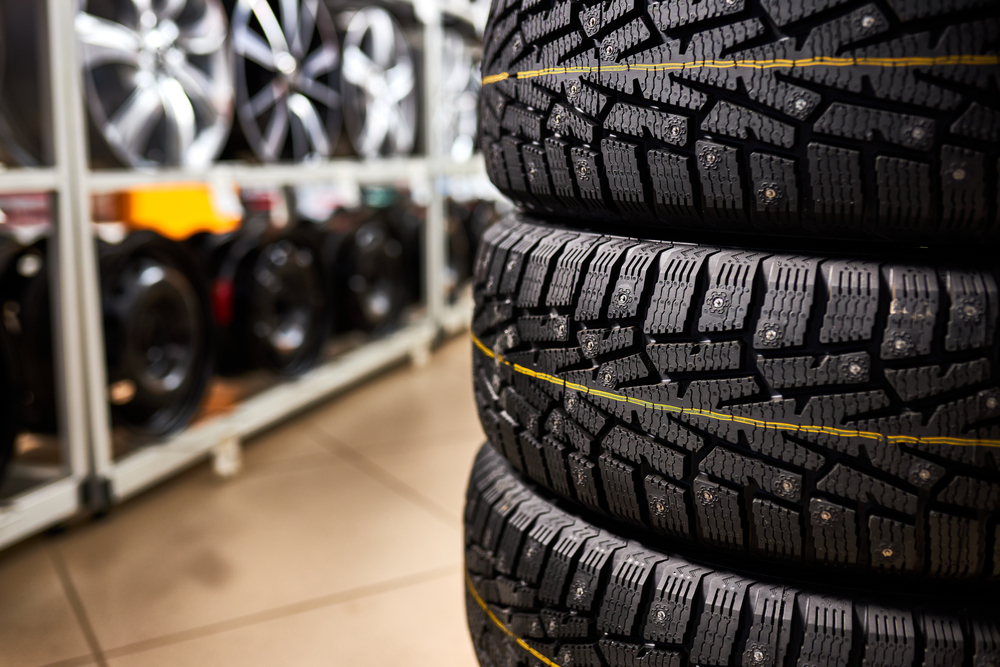
First, let’s get to know the different types of car tyres. Car tyres can be broadly categorized into three main types: Highway Terrain, All Terrain, and Mud Terrain.
Each type of tyre differs in its tread pattern, and you should choose the one most suitable for your usage.
- Highway Terrain
Highway Terrain or H/T tyres are the standard tyres for new vehicles. This type of tyre features a tread pattern that runs longitudinally along the circumference of the tyre. It is suitable for general use, city driving, or driving on smooth roads, making it the most popular type of tyre.
- All Terrain
All Terrain or A/T tyres are popular for pickup trucks because they have a strong structure. The tread patterns are larger and thicker, providing good road contact, which allows them to perform better on rough terrain than the first type.
- Mud Terrain
For those who enjoy off-roading or drive off-road vehicles, Mud Terrain or M/T tyres are a must. In addition to having a stronger structure than the previous two types, the tread pattern is highly efficient and the sidewalls are durable. They are suitable for driving on rough roads with rocks and mud, or in wilderness areas with more obstacles than usual.
Thanks to images from Shutterstock.
Basic Structure of a Car Tyre
After knowing the different types of car tyres, let’s delve a little deeper into what the basic structure of each tyre consists of. The basic structure of a car tyre is composed of 6 main parts:
Tread
The tread is the outermost part of the tyre and is the section that has the most contact with the road surface. It functions to provide road grip and protect the tyre casing from any foreign objects. The tread consists of patterns for gripping the road and grooves for draining water or mud.
Shoulder
The shoulder is the area that connects the tread and the sidewall. This section has thick rubber to protect the tyre casing. Usually, the shoulder is designed with grooves to allow for easy heat dissipation.
Sidewall
The sidewall is a highly flexible part located on the outermost side of the tyre, but it is a section that does not touch the road surface. Its function is also to protect the tyre casing.
Carcass
The carcass is the main and most important component of the tyre. It functions to support impacts or vibrations from driving. Additionally, it maintains the tyre pressure so that the tyre can support the vehicle’s weight effectively.
Breaker or Belt
The breaker or belt layer is situated between the tread and the carcass. It functions to increase the strength of the tread, allowing it to support more impact, and helps prevent the carcass from being damaged.
Tread Wear (Tread Wear Indicator)
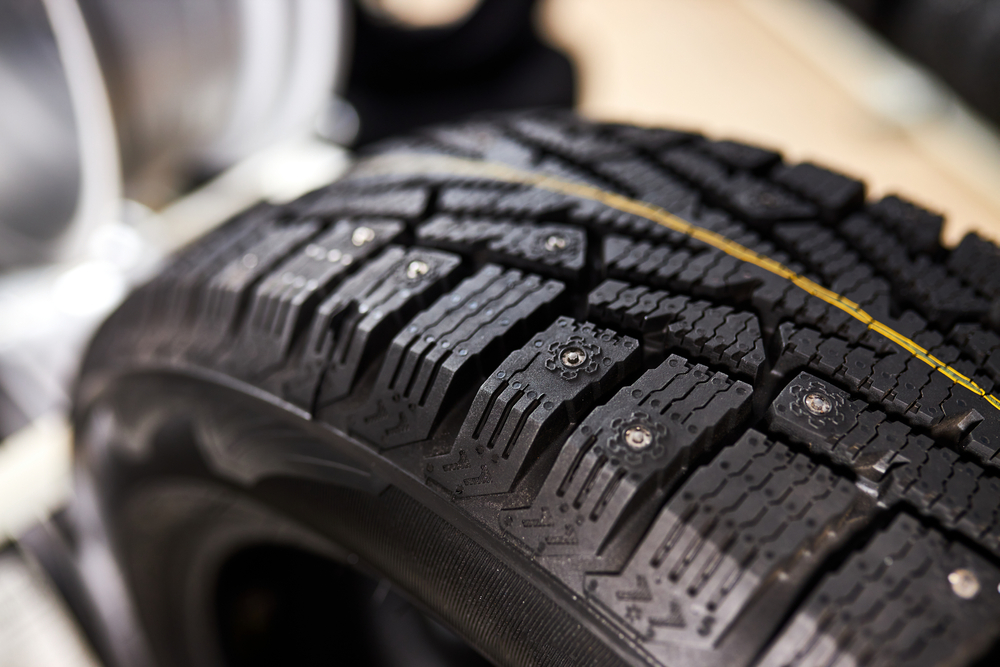
The tread wear indicator consists of small raised bars located within the tread grooves. It serves as a reference point for how much the tyre has worn down. If the tread wears down to the level of these bars, it can be inferred that it is time to replace that tyre.
Bead
The bead consists of high-tensile steel wires. Its function is to secure both ends of the carcass, ensuring the bead is strong and fits tightly against the wheel rim. It is also an important part that helps prevent air leakage in tubeless tyres.
How to check the expiry date of car tyres?
We can easily check the age of car tyres from the manufacture date located on the outer sidewall. This number follows international standards, indicating both the week and year of production using a 4-digit code (WWYY).
The first 2 digits refer to the week the tyre was produced, while the last 2 digits refer to the year of production. For example, “1020” means this tyre was produced in March 2020 (the 10th week of the year 2020).
Typically, tyres have an average shelf life of 5 years. New tyres generally have an estimated service life of 50,000 kilometers or should be replaced every 3–5 years.
However, in reality, even if a tyre is from an older stock, it does not necessarily mean it has deteriorated. Research has shown that tyres aged up to 3 years can still be used without making driving dangerous. The actual factor in tyre deterioration depends more on storage methods. If you store tyres at inappropriate temperatures or leave them exposed to constant sunlight, there is a very high chance the tyres will deteriorate faster than they should.
Summary
Car tyres are a vital part of every vehicle. Therefore, car owners should not overlook them and must study and understand the essential facts and components of car tyres. This ensures that your driving remains smooth, safe, and uninterrupted. Having this fundamental knowledge will help you make the right decisions when choosing car tyres that offer the best value and most appropriately suit your usage patterns.
K. Charoenyangyont Branch
Location: K. Charoenyangyont (Sukhumvit 91 Branch)
Operating Hours: Monday – Saturday, 08:30 – 18:00
Tel: 02 331 9911, 02 331 8882-4
Link: @kc4418
K. Charoen Cockpit Branch
Location: K. Charoen Cockpit (Udomsuk 28 Branch)
Operating Hours: Monday – Saturday, 08:30 – 18:00
Tel: 02 393 3356, 086 318 1401
Link: @kcockpit
SHARE THIS STORY


RELATES TAGS
More Post


Get to Know Car Tyres: The Essential Component That Makes Your Vehicle Perfect
Read More →

"Wheel Alignment and Balancing Near Me": How to Choose the Right Service for Your Vehicle
Read More →

On-Site Tyre Replacement Near Me by Expert Technicians – Fast Service (K Tyre Express)
Read More →