


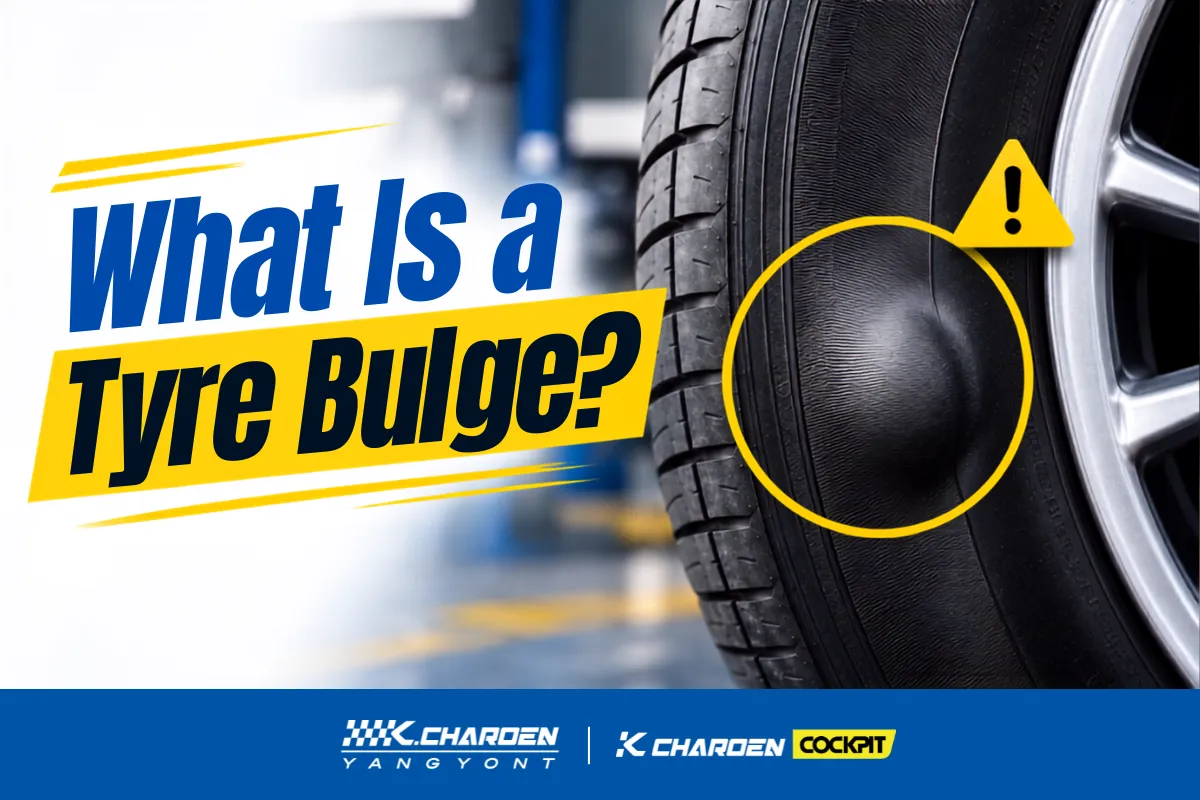
What Causes Tyre Bulges? How to Check Them Yourself and Tips to Make Your Tyres Last Longer
Among the many warning signs drivers may encounter, a tyre bulge—where the tyre sidewall develops an unusual swollen or raised area—is considered one of the most dangerous and concerning.
Many drivers overlook the problem because, in the early stages, the vehicle may still drive normally without any obvious symptoms.
However, from a technical perspective, a bulging tyre is like a ticking time bomb waiting to fail, especially when exposed to high-speed driving, heat buildup, and continuous road friction.
In this article, we will take a detailed look at tyre bulges, including:
- The internal tyre damage that causes them
- Common causes of tyre bulges
- How to inspect tyres yourself
- Proper repair and safety recommendations
Understanding these issues will help you take better care of your vehicle and reduce potential risks on the road, turning a dangerous problem into safer driving confidence.
What Is a Tyre Bulge? Understanding What Causes Internal Tyre Damage
A tyre bulge occurs when the internal structure of the tyre—especially the reinforcing cords or steel belts—becomes damaged, separated, or broken.
When this happens, the air pressure inside the tyre pushes outward against the weakened area, creating a noticeable bulge on the sidewall or tread surface.
This bulging area is a serious warning sign.
It means the tyre’s internal structure can no longer properly contain the air pressure inside.
The outer rubber layer of the tyre is relatively thin and is not strong enough to withstand heavy impacts or continuous road stress on its own.
Once heat builds up during high-speed driving, or if the tyre experiences even a small additional impact, the weakened area can rupture suddenly.
That is why the question “Are tyre bulges dangerous?” has a very clear answer:
Yes—extremely dangerous.
Main Causes of Tyre Bulges
- Severe Impacts
This is the most common cause of tyre bulges.
Driving into deep potholes at speed, hitting curbs, or crossing sharp bridge joints can create strong impacts that damage the tyre’s internal structure immediately. - Overloading the Vehicle
Carrying loads heavier than the tyre’s rated capacity places excessive stress on the internal tyre structure.
Over time, this can weaken or break the internal reinforcing cords. - Low Tyre Pressure
When tyre pressure is too low, the sidewall flexes excessively.
This creates additional heat buildup inside the tyre, which may eventually cause internal layers to separate. - Old or Deteriorated Tyres
Tyres older than around five years—or tyres exposed to strong sunlight and heat for long periods—can become dry and brittle.
As the rubber ages, the internal structure becomes more vulnerable to failure. - Manufacturing Defects
Although rare, tyre bulges can occasionally result from manufacturing problems, such as improper bonding during tyre construction or defects in the tyre layers from the factory.
How to Check for Tyre Bulges Yourself and What to Do Immediately
Spending just a few minutes checking your tyres before every trip is not only part of normal vehicle maintenance, but also an important way to reduce safety risks on the road.
Tyres are the only part of the vehicle that stays in direct contact with the road surface.
Even small tyre problems can affect vehicle control, especially tyre bulges, which often develop quietly without obvious warning signs at first.
- Visual Inspection
Walk around the vehicle and carefully inspect both the tyre sidewalls and tread areas.
Look for any unusual swelling or raised sections.
Even a small bulge should be treated seriously because it indicates internal tyre damage. - Touch Inspection
When the tyres are cool, gently run your hand along the tyre sidewall.
If the surface feels uneven or you notice a raised area, this may indicate a tyre bulge. - Symptoms While Driving
If a front tyre develops a bulge, even a small one, you may begin to feel continuous vibration through the steering wheel, even while driving on smooth roads.
If the bulge is located on the tread area, the vehicle may feel unstable, bouncy, or as though it is constantly driving over rough surfaces.
In some cases, you may also hear a repetitive noise matching the wheel’s rotation, caused by the bulging area striking the road surface repeatedly.
What to Do If You Find a Tyre Bulge
If you discover that one of your tyres has a bulge—whether while parked or during a journey—you should take immediate action.
- Replace It with the Spare Tyre Immediately
If your vehicle has a spare tyre, replace the damaged tyre as soon as possible. - Drive Slowly to the Nearest Tyre Shop
If no spare tyre is available and the vehicle must be moved, drive at the lowest safe speed and avoid potholes, curbs, and strong impacts.
You may also consider using our mobile tyre replacement service for added convenience and safety - Replace the Damaged Tyre
The safest and most effective solution for a bulging tyre is complete tyre replacement.
If the matching tyre on the same axle has already been used for a long time, replacing both tyres together is recommended to maintain balanced braking and vehicle stability.
How to Prevent Tyre Bulges Before They Happen
Prevention is always better than repair.
This is one of the most important principles of proper vehicle maintenance.
Not only can it help you avoid dangerous roadside situations, but it can also save you a significant amount of money in the long run—especially as tyre prices continue to rise.
Allowing tyres to become damaged and develop bulges prematurely often leads to unnecessary replacement costs.
To help extend tyre lifespan and reduce the risk of tyre bulges, here are several important maintenance tips.
Maintain Proper Tyre Pressure
One of the biggest factors affecting a tyre’s internal structure is tyre pressure.
Always inflate your tyres according to the vehicle manufacturer’s recommended pressure and check tyre pressure at least twice a month or before long journeys.
Tyre pressure should ideally be checked while the tyres are still cool to ensure accurate readings.
Maintaining correct tyre pressure helps prevent excessive sidewall flexing, reducing heat buildup and internal stress.
Avoid Harsh Impacts While Driving
Driving habits play a major role in tyre condition.
Even small improvements in driving style can significantly reduce the risk of internal tyre damage.
For example:
- Slow down before hitting potholes or rough road surfaces
- Drive gently over bridge joints or uneven roads
- Avoid scraping or climbing curbs while parking
Tyre sidewalls are one of the most vulnerable parts of the tyre structure.
Strong impacts against curbs or sharp edges can easily damage the internal layers and increase the risk of bulges.
Avoid Carrying Excessive Loads
Every tyre has a specific load capacity limit.
Consistently carrying loads heavier than recommended—especially when tyre pressure is already low—places excessive stress on the tyre’s internal structure.
Over time, the reinforcing cords inside the tyre may stretch, weaken, or deform, eventually leading to tyre bulges.
Always make sure your vehicle load matches the tyre specifications being used.
Follow Regular Maintenance Intervals
Routine vehicle maintenance directly affects tyre health.
Tyres should be rotated and balanced approximately every 10,000 kilometres to ensure even wear across all four tyres.
Regular servicing also allows professional technicians to inspect the inner tyre sidewalls for hidden damage that may not be visible from the outside.
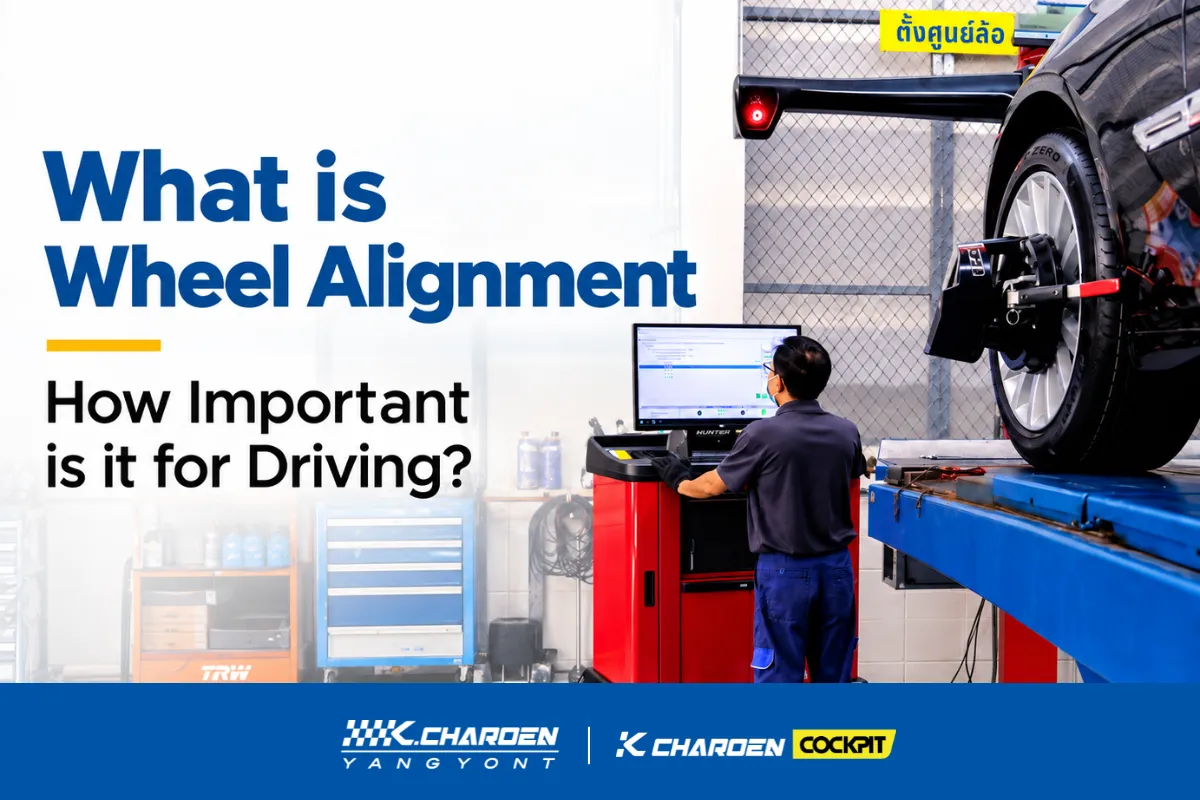
Wheel alignment is equally important.
If wheel alignment is incorrect, tyres may experience uneven pressure distribution and excessive heat buildup in certain areas, weakening the internal structure over time and increasing the risk of tyre bulges.
Choose High-Quality Tyres
When purchasing new tyres, investing in reputable tyre brands with advanced manufacturing technology can significantly reduce the risk of tyre bulges.
Features such as:
- Reinforced sidewall construction
- Seamless internal belt technology
- Stronger internal tyre materials
can provide better durability and resistance against impact damage compared to low-cost tyres that use lower-grade internal materials.
You can explore tyre options that match your vehicle specifications and budget here.
Conclusion
A tyre bulge is not a minor issue that can safely wait for repair.
It is a serious safety problem that should be addressed immediately.
Whenever you discover a bulging tyre, always remember that safety must come first.
Continuing to drive on a damaged tyre simply to avoid the cost of replacement is never worth the risk.
Replacing the damaged tyre with a new one that has a strong and fully intact internal structure is the safest and most worthwhile solution.
It is not just an investment in a new tyre for your vehicle—it is also an investment in your own safety and peace of mind.
Contact Us
K. Charoen Yangyont Branch
Address: K. Charoen Yangyont (Sukhumvit 91 Branch)
Opening Hours: Monday – Saturday, 8:30 AM – 6:00 PM
Phone: 02 331 9911, 02 331 8882-4
Line: @kc4418
K. Charoen Cockpit Branch
Address: K. Charoen Cockpit (Udomsuk 28 Branch)
Opening Hours: Monday – Saturday, 8:30 AM – 6:00 PM
Phone: 02 393 3356, 086 318 1401
Line: @kcockpit
SHARE THIS STORY


RELATES TAGS
More Post


Get to Know Car Tyres: The Essential Component That Makes Your Vehicle Perfect
Read More →
"Wheel Alignment and Balancing Near Me": How to Choose the Right Service for Your Vehicle
Read More →


On-Site Tyre Replacement Near Me by Expert Technicians – Fast Service (K Tyre Express)
Read More →