


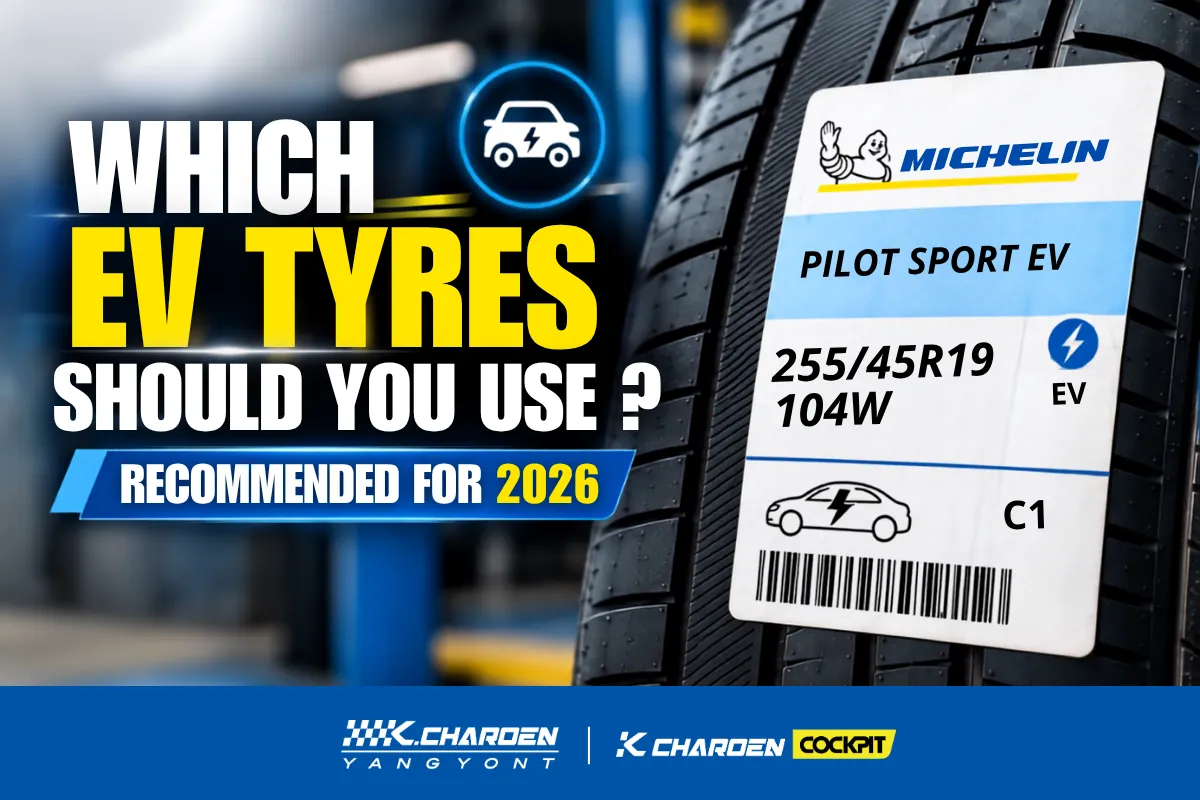
How to Choose EV Tyres: How Different Are They from Standard Tyres? Recommended Models for 2026
The electric vehicle market in Thailand is growing rapidly, but one important thing many EV owners may overlook is the tyres.
In particular, EV tyres have different demands compared with tyres used on conventional petrol vehicles.
In this article, K. Charoen Yangyont and K. Charoen Cockpit share the perspective of technicians with more than 40 years of tyre replacement experience—from the days when EVs were not yet common in Thailand to today, when electric vehicles arrive at our shop almost every day.
If you are wondering how to choose the right EV tyres, why standard tyres may not be the best option, or which models are worth considering in 2026, this guide will give you the answers.
Why Electric Vehicles Should Not Always Use Standard Tyres
Many new EV owners ask whether they can use ordinary tyres.
The honest answer is yes—but only if the tyre is suitable for the vehicle.
Not every tyre model is designed to handle the specific demands of an electric vehicle.
Load Capacity and Speed Rating Matter
Two important things should always be checked:
- Load Index – the tyre’s weight-carrying capacity
- Speed Index – the tyre’s approved maximum speed rating
These ratings should match or exceed the manufacturer’s recommended specification.
This is especially important because EVs are often heavier than conventional cars due to battery weight, and they also deliver high torque from a standstill.
If the tyre specification is not suitable, it may affect both safety and tyre lifespan.
Why EV-Specific Tyres Exist
Although standard car tyres can sometimes be used, electric vehicles usually benefit more from tyres specifically engineered for EV use.
These tyres are developed to better manage:
- Higher vehicle weight
- Instant torque delivery
- Reduced rolling resistance for better driving range
- Lower road noise for quieter cabins
That is why many tyre manufacturers now produce tyres designed especially for EVs.
Heavier Batteries Mean Tyres Must Carry More Weight
EV batteries are heavy, and the extra weight varies by model.
In some cases, an electric vehicle can weigh 200–400 kilograms more than a petrol car of similar size.
When the vehicle becomes heavier, the load placed on each tyre increases as well.
That is why a good EV tyre must have a strong enough structure to support the additional weight properly.
This can be checked through the tyre’s Load Index rating.
Why Load Index Is Important
If a tyre has a Load Index lower than the vehicle requires, the problem is not only faster tyre wear.
It can also affect overall vehicle control, especially when:
- Braking hard
- Cornering at speed
- Carrying passengers or cargo
- Driving over long distances in hot conditions
Choosing the correct Load Index is essential for both safety and tyre durability.
Instant Torque Can Wear Tyres Faster Than Expected
Electric vehicles deliver torque immediately from the moment you press the accelerator.
This gives EVs their quick and responsive driving feel, but it also means the tyre tread experiences higher friction against the road surface during acceleration.
If the wrong tyre is chosen, tread wear can happen faster than many drivers expect.
Well-designed EV tyres use rubber compounds that better resist friction and abrasion, helping the tread last longer and deliver better long-term value.
EVs Are Quiet, So Tyre Noise Becomes More Noticeable
This is something many new EV owners do not expect.
Because electric vehicles do not have engine noise to mask other sounds, tyre noise becomes much more noticeable inside the cabin.
This is especially clear on rough or coarse road surfaces.
A good EV tyre should therefore include noise-reduction technology as part of its design—not just as an optional extra.
What Should a Good EV Tyre Have?
Before looking at recommended tyre models, it is important to understand the key features of a good EV tyre first.
Knowing these core qualities will help you choose the right tyre more accurately and with greater confidence.
It Must Support the Vehicle Weight Properly (Check XL or HL Ratings)
One of the most important things to check is the tyre’s Load Index, or markings such as:
- XL (Extra Load)
- HL (High Load)
These markings indicate tyres built to carry higher loads than standard versions.
Many EV SUVs and crossover models require tyres with higher load capacity than normal passenger cars.
It is always best to check your owner’s manual or the driver-side door sticker for the manufacturer’s recommended tyre specification.
Noise-Reduction Technology for a Quiet EV Experience
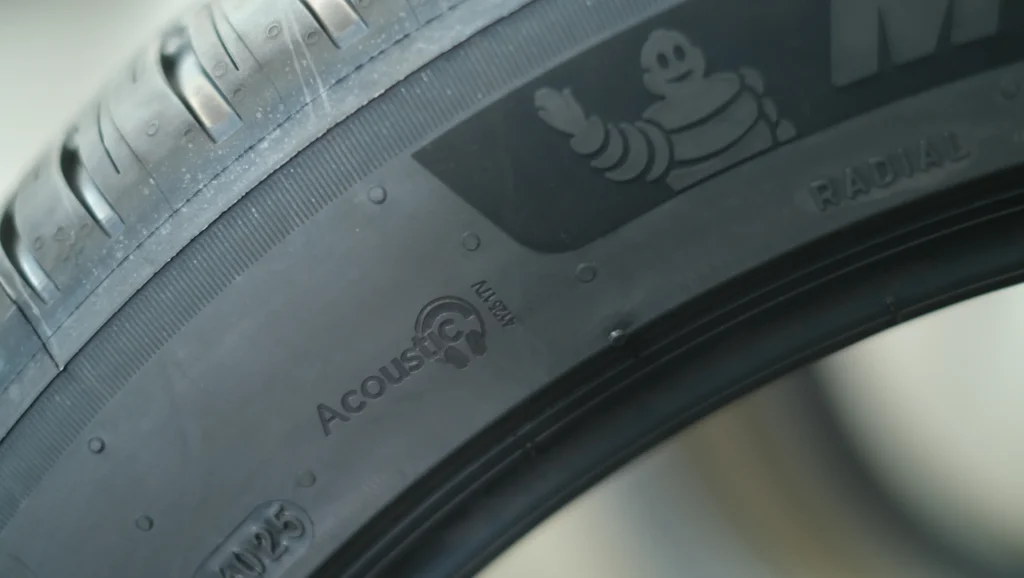
Many modern EV tyres include Acoustic Foam or polyurethane foam inside the tyre.
This helps absorb vibration and noticeably reduce road noise.
Some tyre models also use specially designed tread patterns and groove layouts to lower noise while driving.
This is especially valuable in EVs, where the quiet cabin makes tyre noise easier to hear.
Low Rolling Resistance for More Driving Range
Rolling Resistance measures how much energy the tyre uses while rolling.
The lower the rolling resistance, the less power the vehicle needs to move.
That can help improve driving range per charge.
Studies from various sources suggest that choosing low rolling resistance EV tyres may improve range by around 7–10%, depending on vehicle type, road conditions, and driving style.
Recommended EV Tyres for 2026: Choose Based on Your Driving Style
EV tyre options are expanding quickly, and each brand now offers models designed for different driving needs.
The best tyre depends on how you use your vehicle.
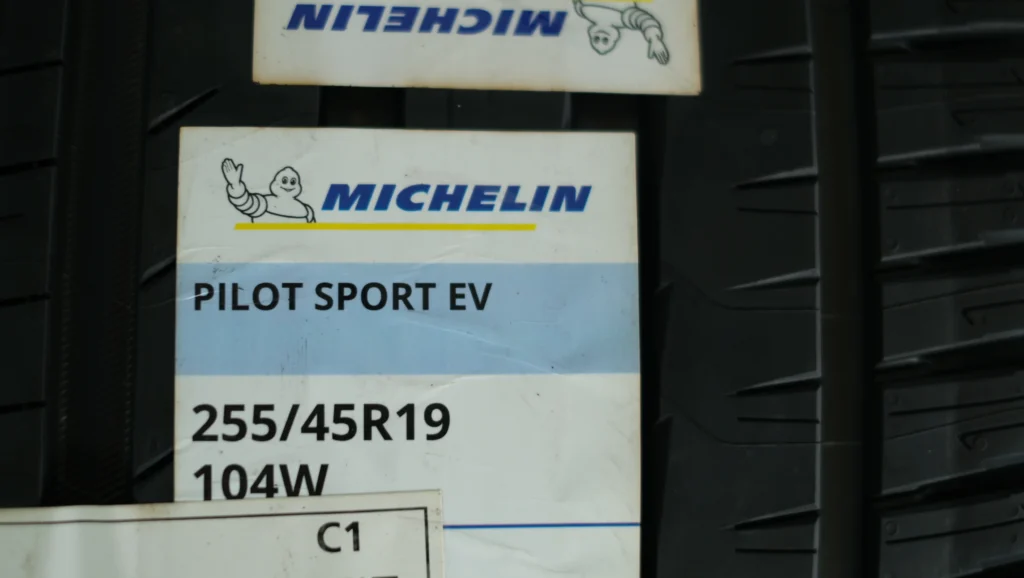
Comfort Drivers: Quiet and Smooth Everyday Driving
If you mainly drive to work or use your EV in the city, comfort and low noise should be the priority.
Here are some strong options in this category.
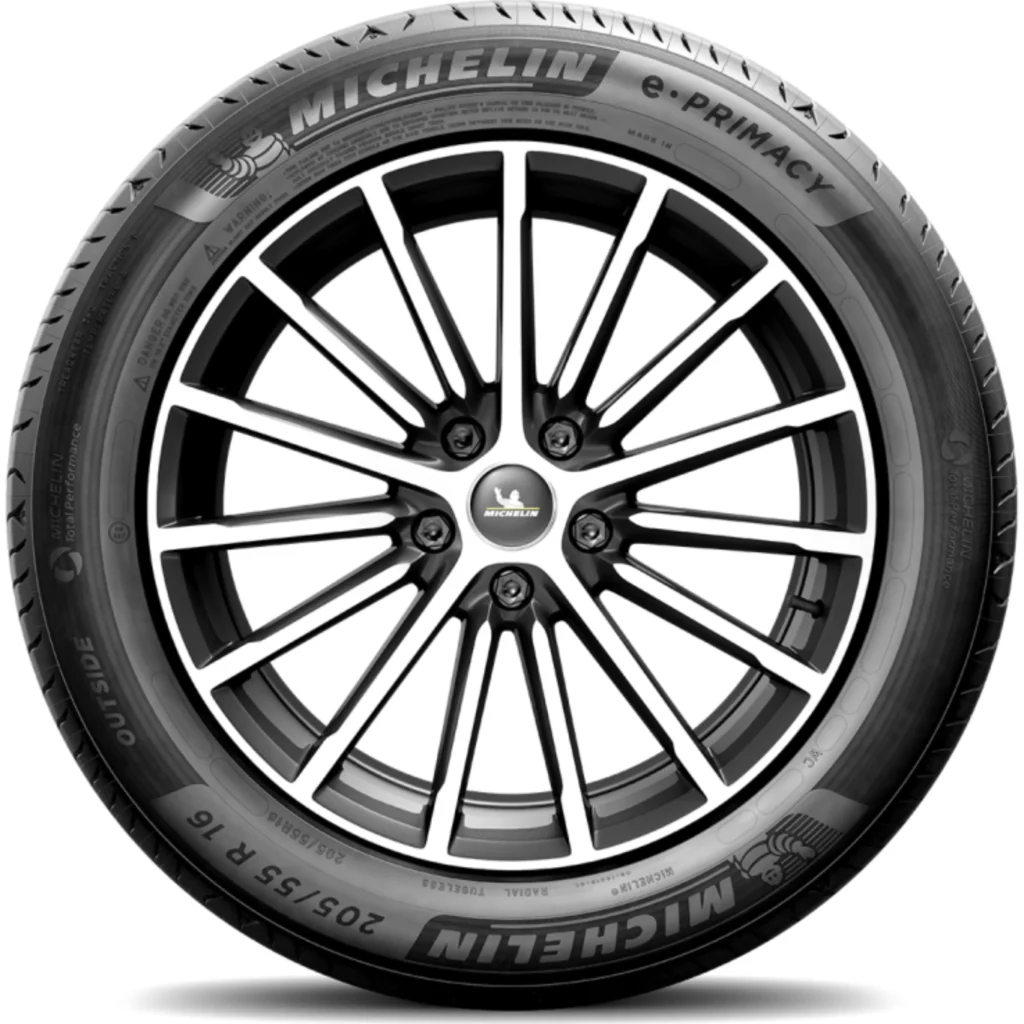
- Michelin e·PRIMACY — Designed with EV efficiency in mind. This tyre focuses on low rolling resistance, quiet performance, and good driving range per charge. Ideal for urban drivers who want comfort and efficiency.
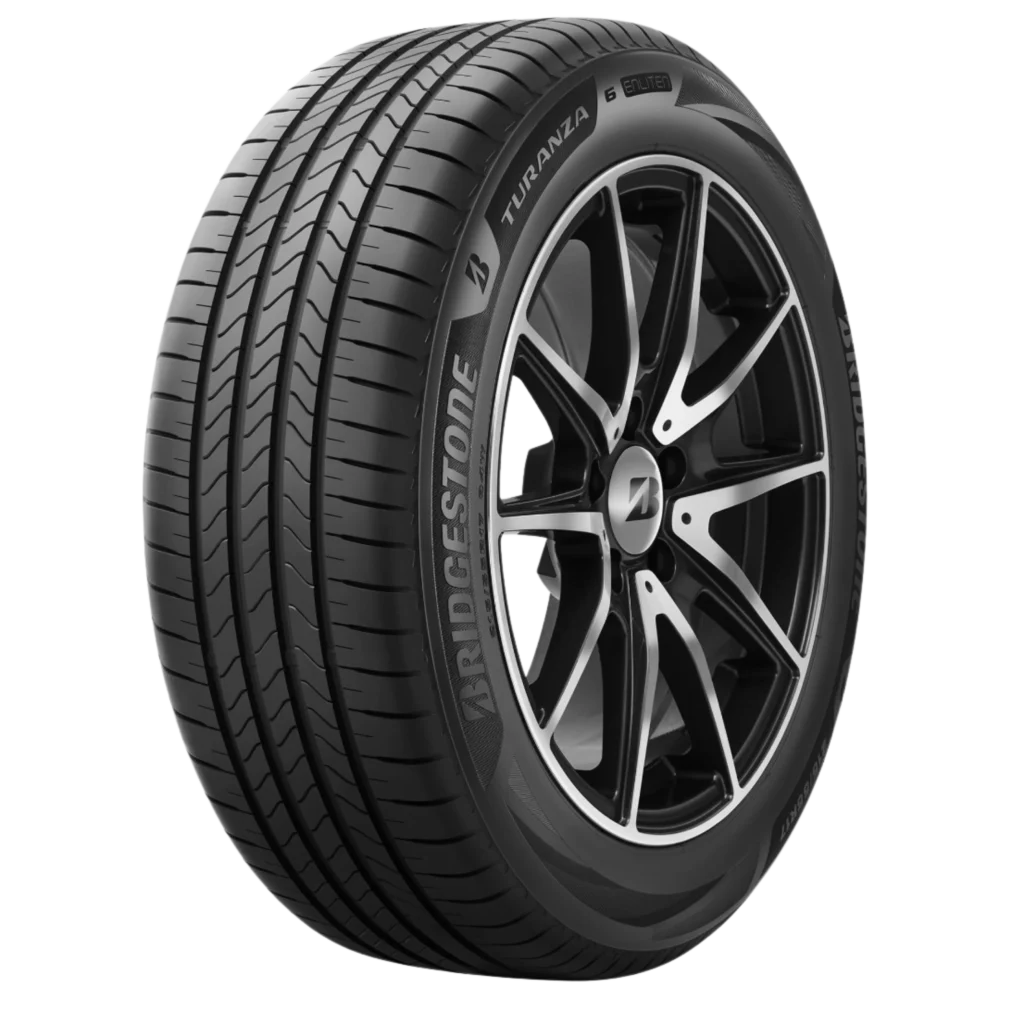
- Bridgestone Turanza 6 — A premium tyre known for a quiet and comfortable ride. It uses ENLITEN technology to reduce tyre weight and rolling resistance. Well suited for EV owners who prioritise comfort and refinement.
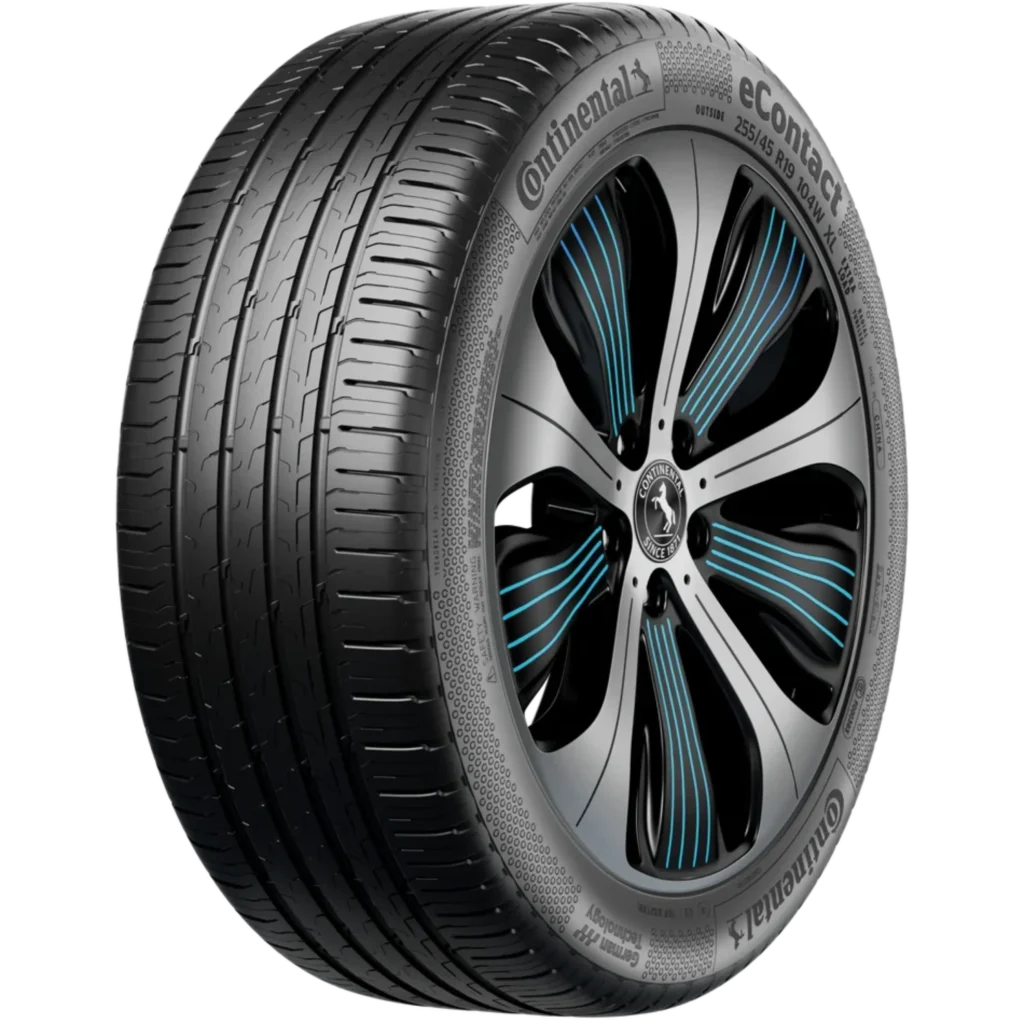
- Continental eContact — Offers a smooth and quiet driving experience while maintaining strong load-carrying ability through reinforced construction. A good match for heavier EV models that still want everyday comfort.
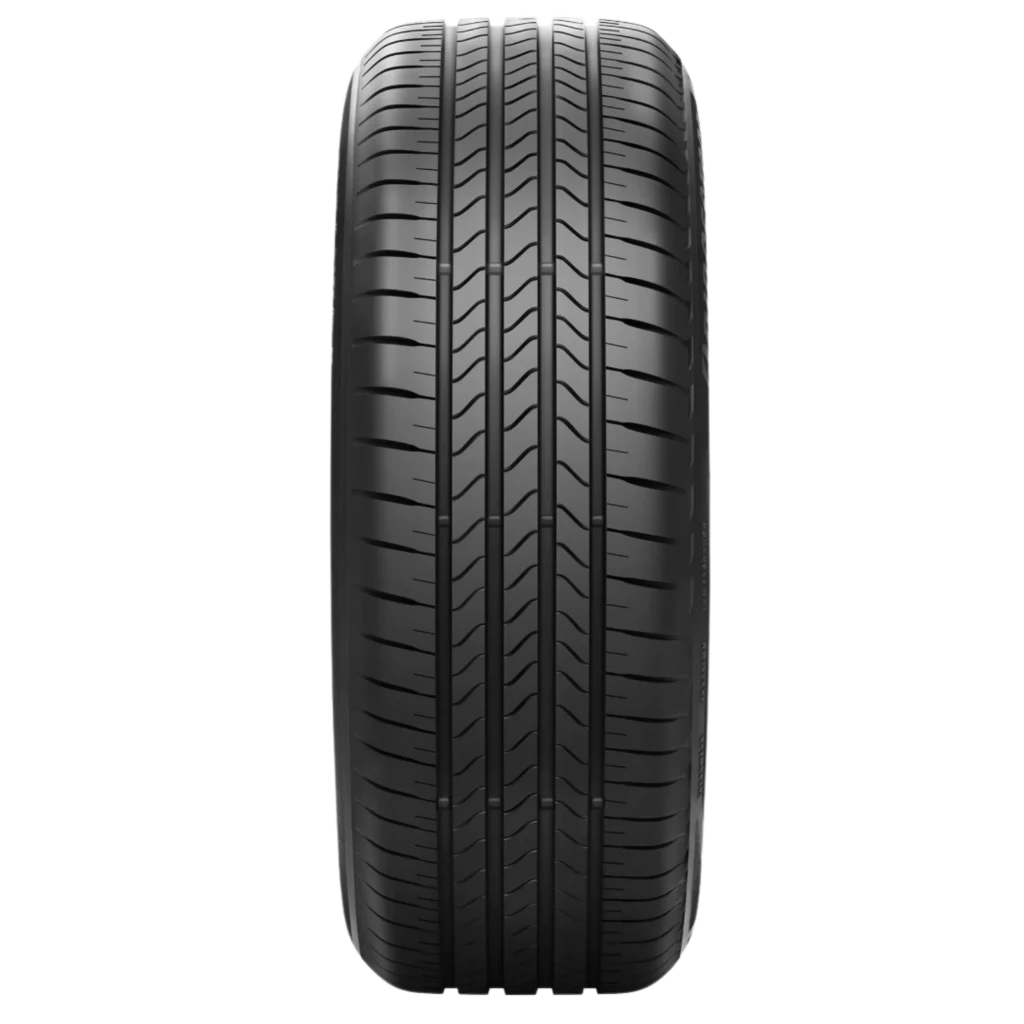
Performance Drivers: Sharp Handling and Strong Grip
If you drive an EV and want more responsive steering, sharper handling, and confident road grip, these models are worth considering.
- Yokohama ADVAN Sport EV V108 — A sporty tyre developed from Yokohama’s high-performance tyre technology. It offers strong grip on both dry and wet roads. Well suited for high-performance EVs that need precise handling and stability.
- Pirelli P Zero (EV Version) — A premium performance tyre chosen as original equipment by many luxury EV manufacturers. It delivers quick steering response, strong grip, and confidence in a wide range of driving conditions.
Value Drivers: Practical Everyday Use
Not every driver needs the highest tyre specification.
If your budget is limited or you mainly use your EV for daily driving, these tyres can offer excellent value.
- Goodyear EfficientGrip Performance 2 — A tyre focused on energy efficiency and long tread life. It is well suited for everyday driving and drivers who want strong long-term value.
- Dunlop Sport BluResponseTG — A balanced option that combines comfort, low noise, and dependable grip. Ideal for city drivers who want solid overall performance without paying for features they do not really need.
Can You Choose EV Tyres Yourself, or Should a Tyre Shop Help?
This is one of the most common questions from new EV owners.
The honest answer is: You can choose some parts yourself, but certain technical details are best checked by a professional technician.
What You Can Decide Yourself
Driving Feel and Budget
You can decide what kind of tyre experience you want, such as:
- A softer and quieter ride
- Better grip and sportier handling
- Long tyre life
- Better energy efficiency
- A budget that suits you
- A brand you already trust or have used before
These choices depend on personal preference.
What a Technician Should Check
Load Index and Correct Tyre Size
Technical specifications are more important with EVs because of the extra vehicle weight.
A technician should help confirm:
- The correct Load Index for your EV
- The proper tyre size according to manufacturer specifications
- Suitable speed rating
- Wheel alignment after fitting
- Wheel balancing after installation
Using the wrong tyre specification can lead to problems later, such as:
- Uneven tyre wear
- Reduced handling performance
- Lower safety margins
- Poor ride quality
At K. Charoen Yangyont and K. Charoen Cockpit, our technicians regularly work with EV tyres and can recommend the right tyre specification for your vehicle directly—so you do not have to guess.
Why Do Many EV Owners Say Their Tyres Wear Out Faster?
This is one of the most common questions from EV owners.
Many drivers notice faster tyre wear but are unsure of the real cause.
From the experience of technicians who work with tyres every day, the answer is usually not just tyre quality alone.
It is normally caused by several factors working together.
Vehicle Weight and Instant Torque Are the Main Reasons
As mentioned earlier, EVs are generally heavier than petrol cars.
They also deliver full torque instantly from the moment you accelerate.
This combination places greater stress on the tyres, especially during launch and acceleration.
That means tyre wear can happen faster than on a petrol vehicle driven in a similar way.
Well-designed EV tyres are built to manage these conditions better.
If standard tyres are used instead, wear may become even faster.
Driving Habits Can Increase Tyre Wear Without You Realising
This is one of the biggest differences technicians want EV owners to understand.
Many drivers enjoy strong acceleration because EVs feel quick and smooth, and there is no fuel cost at every press of the pedal.
However, this habit can wear tyres much faster over time.
Other common habits that increase wear include:
Frequent Hard Acceleration
High torque can gradually scrub away tread during repeated launches.
Aggressive Regenerative Braking
Regenerative braking helps recharge the battery, but strong repeated deceleration can also increase tyre wear.
Continuous High-Speed Driving
Long periods of high-speed driving generate more tyre heat, which can accelerate wear.
Low Tyre Pressure
Underinflated tyres wear faster on any vehicle, but the effect can be more severe on heavier EVs.
Good Habits Can Extend Tyre Life
If these driving habits are improved and tyre pressures are maintained correctly, tyre lifespan can increase noticeably—helping you avoid replacing tyres more often than necessary.
How to Make EV Tyres Last Longer
Taking good care of EV tyres is not difficult.
The key is consistency and knowing what to check.
How Often Should You Rotate EV Tyres?
For most EVs, tyre rotation is recommended every 8,000–10,000 kilometres.
This is slightly more frequent than many petrol vehicles because the driven wheels often wear noticeably faster on EVs.
This is especially common on:
- Front-wheel drive EVs
- Rear-wheel drive EVs
- High-torque models
Regular tyre rotation helps all four tyres wear more evenly and can significantly extend overall tyre life.
What Tyre Pressure Is Best for an EV?
Tyre pressure should be checked at least every two weeks, or before long trips.
Always use the recommended pressure shown on the sticker inside the driver-side door frame.
For many vehicles, this is commonly around 32–35 psi, depending on the model and tyre size.
Because EVs are heavier, some manufacturers recommend slightly higher pressure to better support the extra weight.
Important Tip: Check Pressure When Tyres Are Cold
Always measure tyre pressure when the tyres are cold.
Do not check immediately after driving, because heat increases pressure readings and can give an inaccurate result.
Frequently Asked Questions (FAQs) from EV Owners
From regular experience serving EV customers, there are two common questions we hear repeatedly.
Can an EV Use Standard Petrol-Car Tyres?
Yes—but only if the tyre specification is suitable.
The most important things to check are:
- Load Index – weight-carrying capacity
- Speed Index – approved speed rating
These ratings should match or exceed the manufacturer’s requirement.
This is important because EVs are usually heavier and produce high torque from launch.
If the tyre specification is not suitable, it may cause:
- Faster tyre wear
- Increased road noise
- Reduced handling performance
- Lower safety margins
So while standard tyres can sometimes be used, choosing tyres with the correct specification for an EV will usually deliver better performance and safety.
Can a Punctured EV Tyre Be Repaired?
It depends on the tyre type.
Standard Tyres Fitted to an EV
These can usually be repaired in the normal way, depending on the size and location of the puncture.
Tyres with Acoustic Foam
Repair is still possible in many cases, but it can be more complicated because care must be taken not to damage the internal foam layer.
Runflat Tyres
Runflat tyres are often not recommended for repair, especially if they have been driven while deflated.
Replacement is usually the safer option.
Best Advice
Before making a decision, let an experienced technician inspect the tyre first. That is always the safest approach.
Summary
In simple terms, a good EV tyre should offer three key things:
- Genuine load-carrying ability
- Low noise levels that match the quiet nature of an EV
- Low rolling resistance to help maximise driving range
These three factors are what clearly separate EV tyres from many standard tyres.
Choose Based on Your Driving Style
The right model depends on how you use your vehicle.
For Comfort and Quiet Driving
Consider:
- Michelin e·PRIMACY
- Bridgestone Turanza 6
For Sportier Performance
Consider:
- Yokohama ADVAN Sport EV
- Pirelli P Zero (EV Version)
For Everyday Value
Consider:
- Dunlop models with balanced comfort and practicality
Maintenance Matters Just as Much
Choosing the right tyre is only part of the equation.
To maximise tyre life:
- Rotate tyres at recommended intervals
- Maintain correct tyre pressure
- Avoid habits that accelerate wear
- Drive smoothly when possible
If these habits are followed, tyre lifespan can improve significantly and replacement costs can be reduced.
Need Expert Advice?
If you would like help choosing the right tyre for your EV, visit K. Charoen Yangyont (Sukhumvit 91) or K. Charoen Cockpit (Udomsuk 28).
Our technicians are ready to recommend the best option based on real experience and your actual driving needs.
About the Author
The content in this article comes from the direct experience of the technician teams at K. Charoen Yangyont and K. Charoen Cockpit, who work with tyre replacement and vehicle maintenance for all types of cars every day—including the growing number of EVs visiting our shops in recent years.
We have seen clear differences between EVs fitted with the correct tyre specification and those using unsuitable tyres, especially in terms of tyre lifespan, wear patterns, and overall driving feel.
From real workshop experience, our technicians do not focus only on tyres that “look good” on paper.
We place equal importance on choosing tyres that match each vehicle properly, considering:
- Vehicle weight
- Driving style
- Daily usage conditions
- Owner driving habits
This article was created to share what our technicians genuinely use, think about, and experience in real situations—so readers can make smarter tyre decisions with greater confidence.
Contact Us
K. Charoen Yangyont Branch
Address: K. Charoen Yangyont (Sukhumvit 91 Branch)
Opening Hours: Monday – Saturday, 8:30 AM – 6:00 PM
Phone: 02 331 9911, 02 331 8882-4
Line: @kc4418
K. Charoen Cockpit Branch
Address: K. Charoen Cockpit (Udomsuk 28 Branch)
Opening Hours: Monday – Saturday, 8:30 AM – 6:00 PM
Phone: 02 393 3356, 086 318 1401
Line: @kcockpit
SHARE THIS STORY


RELATES TAGS
More Post

Get to Know Car Tyres: The Essential Component That Makes Your Vehicle Perfect
Read More →
"Wheel Alignment and Balancing Near Me": How to Choose the Right Service for Your Vehicle
Read More →
On-Site Tyre Replacement Near Me by Expert Technicians – Fast Service (K Tyre Express)
Read More →