


Which Tyre Brand Should You Choose? A Complete Tyre Selection Guide from Technicians with Over 42 Years of Experience
One of the most common questions customers ask us at our shops is, “Which tyre brand should I choose?” The answer is simple: there is no single tyre brand that is best for everyone. The best tyre is the one that suits your vehicle, driving habits, and budget.
A tyre that your friend uses and really likes may feel too firm for you. Likewise, a tyre that is widely reviewed as exceptionally quiet may wear faster than expected if you regularly drive long distances out of town every week.
In this article, the experienced tyre specialists from K. Charoen Yangyont and K. Charoen Cockpit will share useful tips on how to choose the right tyres, along with the key strengths of each tyre brand that we sell and install for customers every day.
We will also answer another frequently asked question: “Which tyre brand is suitable for a car that is driven infrequently?”
Which Tyre Brand Should You Choose? A Quick Summary
If you only have time to read one section, here is the short answer:
- For a smooth, quiet, and comfortable city drive: Michelin (Primacy), Bridgestone (Turanza), Dunlop (Sport Maxx Lux), and Continental (UltraContact UC7)
- For strong braking and confident wet-road grip during the rainy season: Continental (UltraContact UC7), Michelin (Pilot Sport), and Goodyear (EfficientGrip Performance)
- For sporty driving, quick response, and high-speed performance: Michelin (Pilot Sport), Pirelli (P Zero), and Yokohama (Advan)
- For durability, heavy-duty use, and high mileage: Bridgestone (Duravis), Goodyear (Cargo Max), and Hankook (Vantra)
- For fuel efficiency: Michelin (Energy XM2+), Bridgestone (Ecopia), Dunlop (ENASAVE), and Yokohama (BluEarth)
- For good value on a limited budget: Hankook (Dynapro), Firestone (Destination LE), and Maxxis (Mecotra MA-P5)
- For off-road driving and lifted pickup trucks: BFGoodrich (All-Terrain T/A KO2), Bridgestone (Dueler), and Yokohama (Geolandar)
- For cars driven less than 10,000 km per year: There is no need to pay extra for long-lasting tread. Instead, choose tyres with rubber compounds that are resistant to deterioration.
However, choosing based on the brand name alone is not enough. Even within the same tyre brand, there are models designed for a smooth and quiet ride as well as models that may feel firmer. Let’s take a closer look at what else you should consider.
Why Shouldn’t You Choose a Tyre Based on Brand Alone? Why the Tyre Model Matters Too
From our experience serving customers at our shops, most people who are disappointed with their new tyres did not necessarily choose the wrong brand. In many cases, they chose the wrong model or the wrong specification.
The Tyre Model Is More Important Than the Brand
Most global tyre brands clearly divide their products into different ranges based on intended use. For example, some ranges focus on comfort and quietness, while others are designed for performance, fuel efficiency, SUVs, or pickup trucks.
Not every tyre model is available in every size because manufacturers determine tyre sizes according to vehicle type and intended use. For example, tyres designed for pickup trucks or SUVs may not be available in sizes suitable for small sedans, while performance tyres are generally produced for larger wheel sizes.
Therefore, when choosing tyres, you should consider the tyre range, model, and size that are suitable for your vehicle. Using a premium performance tyre on a passenger car that is mainly driven to and from work may result in a firmer ride, more road noise, and faster wear than necessary, despite the higher price.
Tip: Choose a tyre range or model that matches your driving needs first, then compare different brands within the same category.
The Tyre Performance Triangle: A Trade-Off No Tyre Can Escape
Tyre engineers around the world face the same limitation involving these three key characteristics:
- Grip, especially on wet roads: requires a softer rubber compound
- Tread life (durability): requires a harder rubber compound
- Rolling resistance (fuel efficiency): requires a rubber compound that recovers its shape efficiently without losing excessive energy as heat
The challenge is that improving one characteristic may require a compromise in another. For example, a tyre with excellent grip may wear faster, while a tyre designed for greater durability may provide less comfort or grip.
Therefore, if a tyre is advertised as being the best in all three areas, the information should be considered carefully because these trade-offs still exist. What leading tyre manufacturers can realistically do is use advanced rubber compound and structural technologies to improve all three areas at the same time and achieve a better overall balance than conventional tyres. This does not mean that these trade-offs can be eliminated entirely.
This is why more expensive tyres often provide better overall performance. However, drivers still need to choose a tyre model that suits their vehicle and driving conditions.
Understand the Codes on the Tyre Sidewall Before Choosing a Brand
The numbers on the tyre sidewall tell you everything you need to know. For example, consider the code 215/55 R17 94V.
| Code | Meaning |
| 215 | Tyre width: 215 mm |
| 55 | Aspect ratio: the sidewall height is 55% of the tyre width |
| R | Radial construction |
| 17 | Wheel diameter: 17 inches |
| 94 | Load index: supports up to 670 kg per tyre |
| V | Speed rating: supports speeds of up to 240 km/h |
A Common Safety Mistake: Many customers choose a lower load index or speed rating to save only a few hundred baht per tyre. This can be very dangerous because both values are safety specifications set by the vehicle manufacturer.
A tyre with an insufficient load capacity can build up excessive heat, which may damage its internal structure and lead to a bulging tyre or even a blowout.
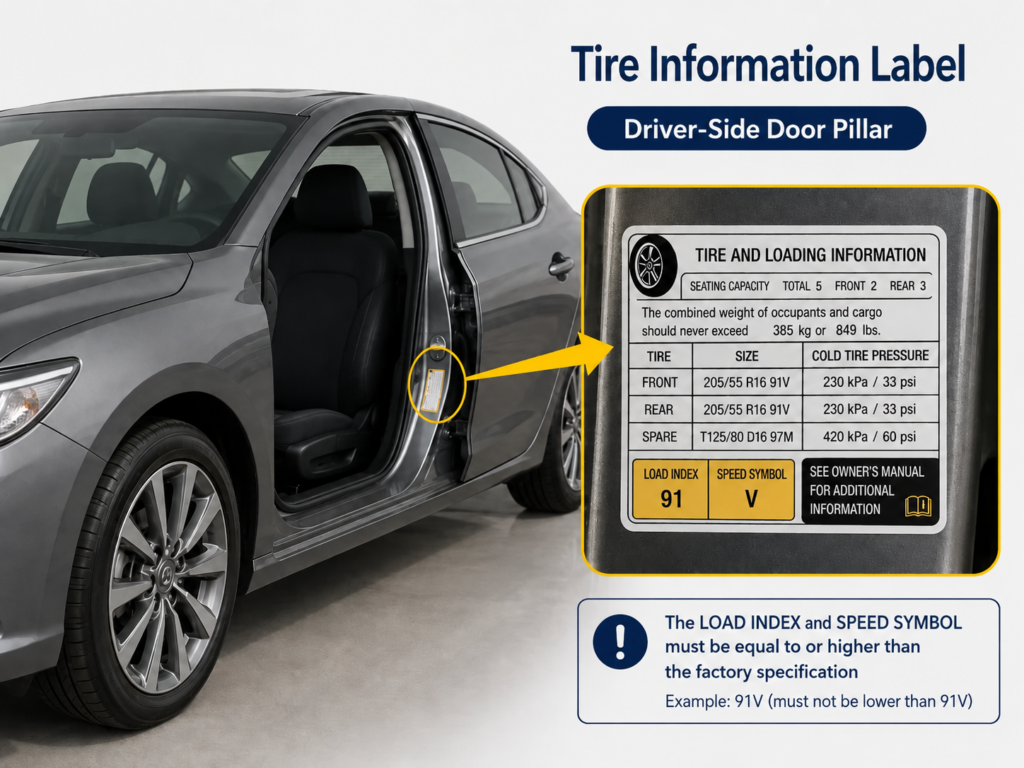
Both the load index and speed rating should always be equal to or higher than the specifications shown on the label on the vehicle’s door pillar.
Always Check the DOT Date: Is It a Newly Manufactured Tyre or Older Stock?
On the tyre sidewall, you will find a four-digit number inside an oval, such as 1226. This means the tyre was manufactured in the 12th week of 2026. The age of a tyre is counted from its manufacturing date, not from the date it is installed on the vehicle.
However, a tyre that was manufactured some time ago does not necessarily mean that it has deteriorated or is no longer suitable for use. The condition of a tyre also depends on how it has been stored. If it is kept in appropriate conditions and protected from sunlight, heat, moisture, and chemicals, an older tyre can still perform effectively and safely.
At K. Charoen Yangyont and K. Charoen Cockpit, tyres are stored under appropriate conditions to help preserve the rubber compound and maintain product quality so they remain ready for use. Customers should therefore consider the manufacturing date, tyre condition, and storage standards together rather than judging a tyre by its production year alone.
11 Recommended Tyre Brands When It’s Time to Replace Your Tyres
These are tyre brands that K. Charoen Yangyont and K. Charoen Cockpit regularly sell and install. We have summarised the key strengths, driving characteristics, and suitable applications of each brand based on our experience during installation and feedback from customers who return for their next tyre replacement.
Michelin
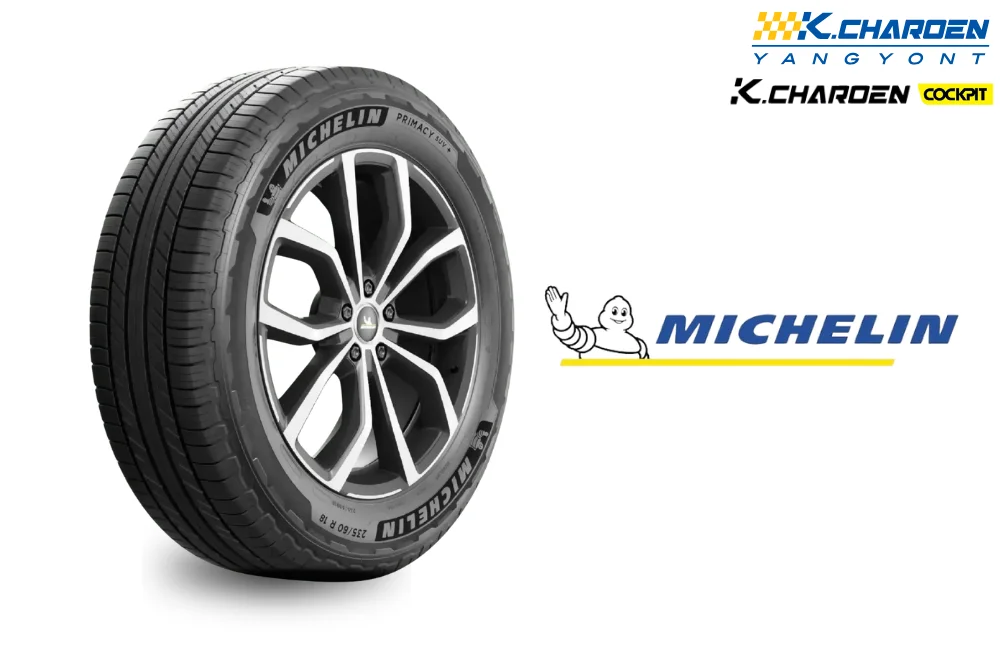
Its key strengths are quietness, ride comfort, and designs that help the tyre continue to perform well even as the tread wears down. Many models also offer longer-than-average service life, although this comes at a higher price per tyre.
Michelin is suitable for drivers who prioritise long-term comfort and safety. If you would like to learn more, read our guide on which Michelin tyre model to choose.
Bridgestone
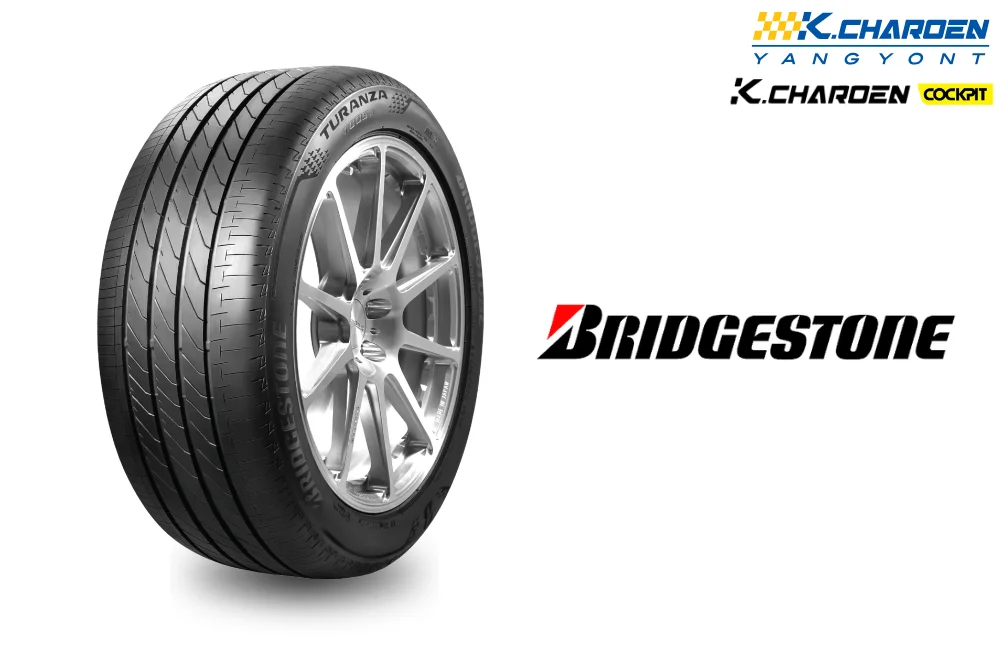
One of the tyre brands with the broadest range of applications in Thailand, Bridgestone offers everything from comfort-focused and fuel-efficient models to performance tyres, SUV tyres, and off-road options.
Its real strengths are consistent quality and the wide availability of sizes, making it a reliable choice for drivers who want a straightforward option without overthinking the decision. Read more about Bridgestone tyres.
Explore More Bridgestone Tyres
Continental
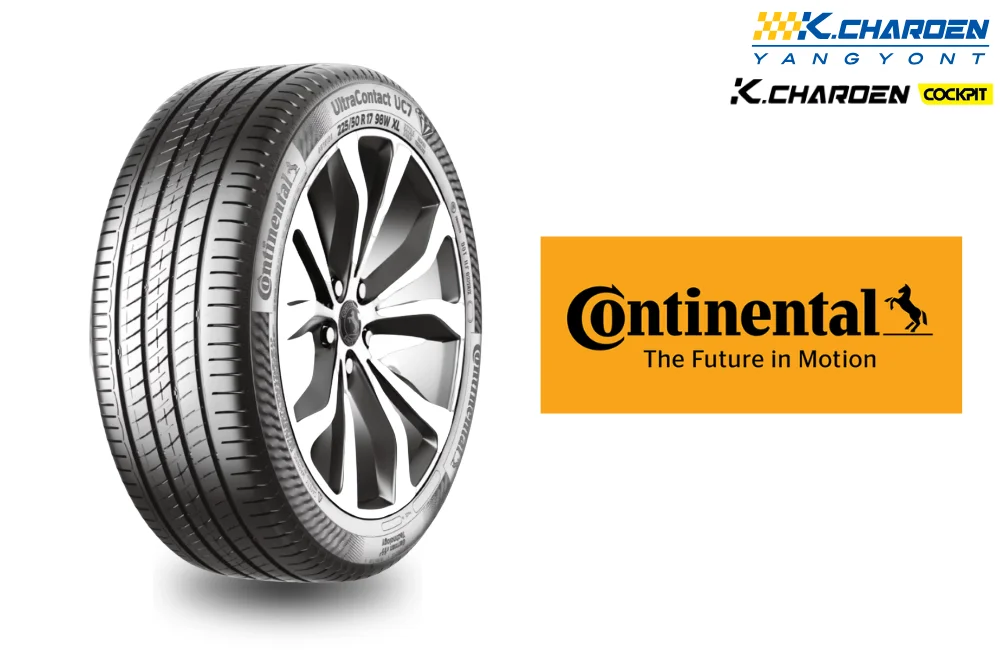
Continental stands out for its braking performance and wet-road grip, making it well suited to Thailand’s heavy rainy conditions. It is also selected as original equipment on many European vehicle models.
Its driving characteristics feel solid, stable, and composed at high speeds. While the ride may feel firmer than tyres designed primarily for comfort, it can provide greater confidence when sudden braking is required.
Explore More Continental Tyres
Pirelli
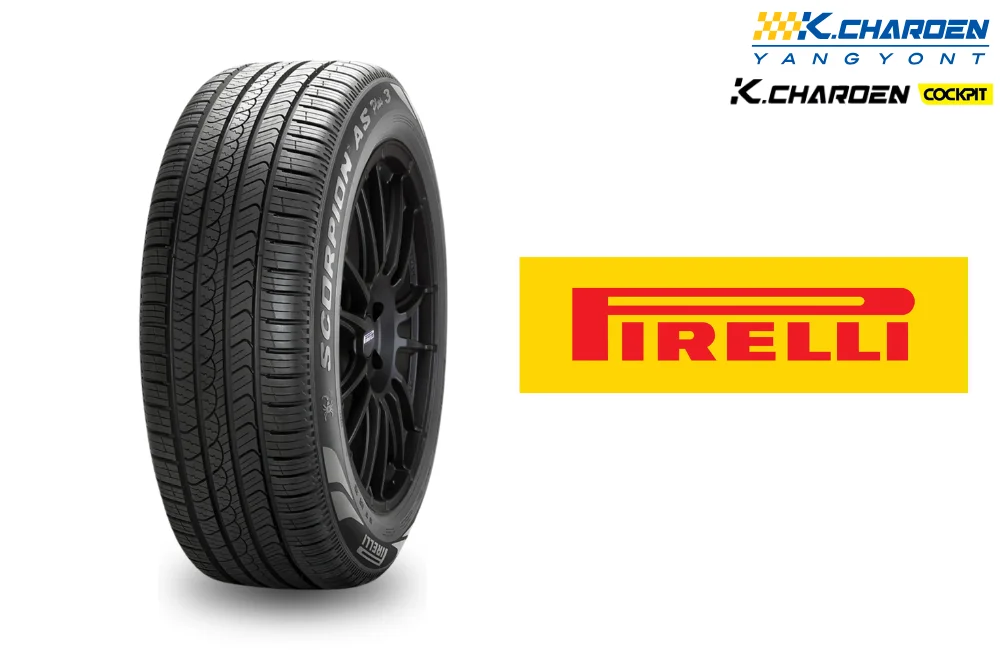
Pirelli is a brand known for its performance and responsive handling, which is why it is often selected as original equipment for many sports cars and luxury vehicles. It delivers sharp and precise steering response, making it suitable for drivers who prioritise confidence and driving enjoyment.
Goodyear
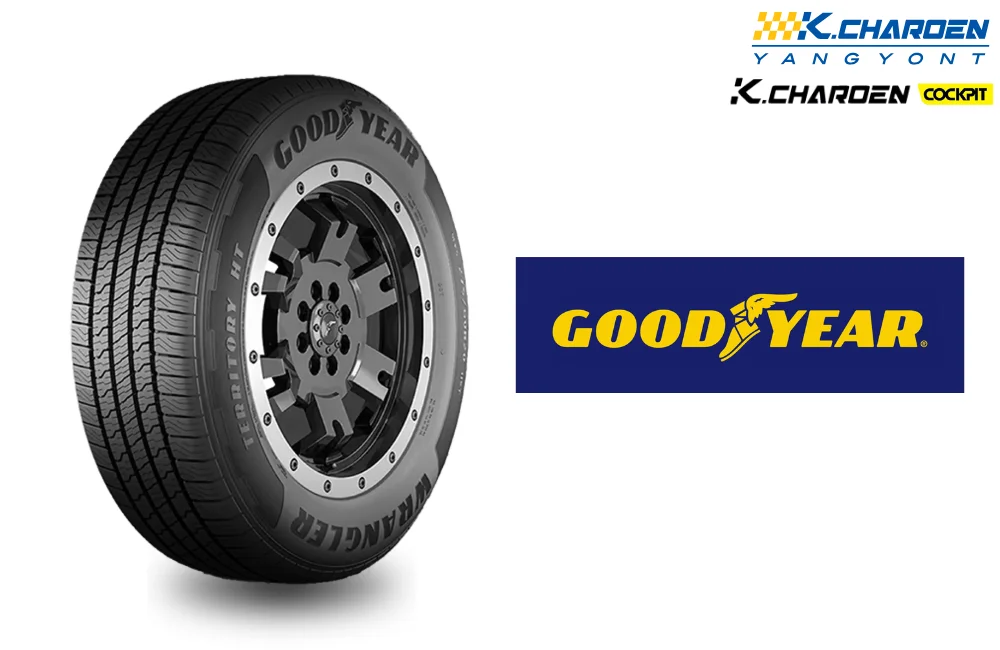
Goodyear offers well-balanced overall performance, with good wet-road grip and a satisfying level of quietness. Its pricing generally falls in the mid-range to upper-mid-range segment.
It is suitable for drivers who want good quality and performance without moving up to premium European tyres, while still looking for an option that offers more than budget-oriented tyres.
Dunlop
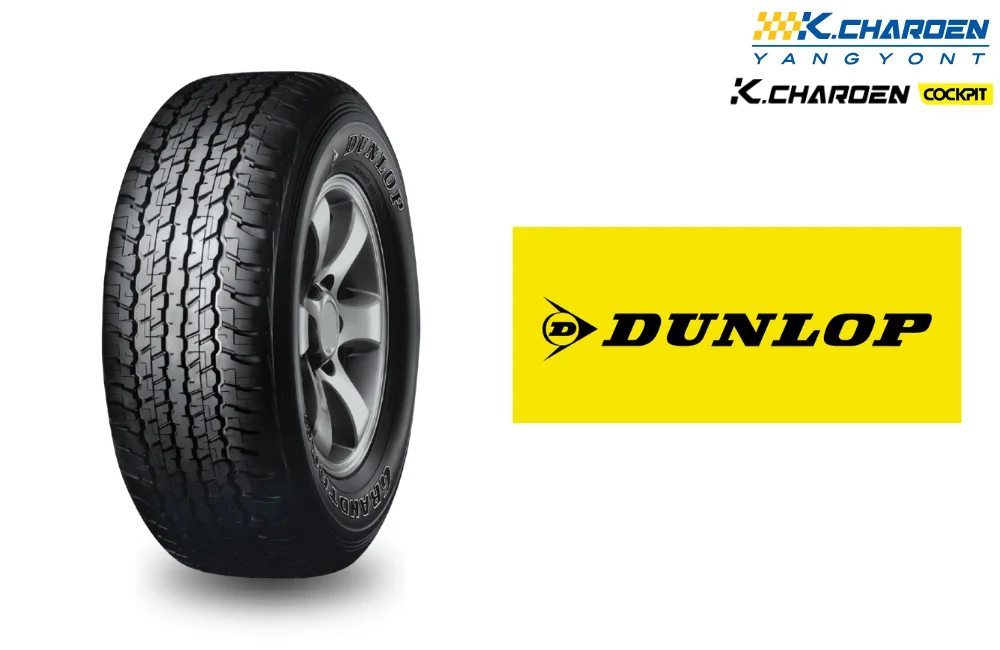
Dunlop is known for providing a smooth and quiet ride at an accessible price. It is a popular choice among passenger car owners, with many customers returning to purchase the brand again because it delivers comfort close to that of premium tyres without requiring a significantly higher budget.
Yokohama
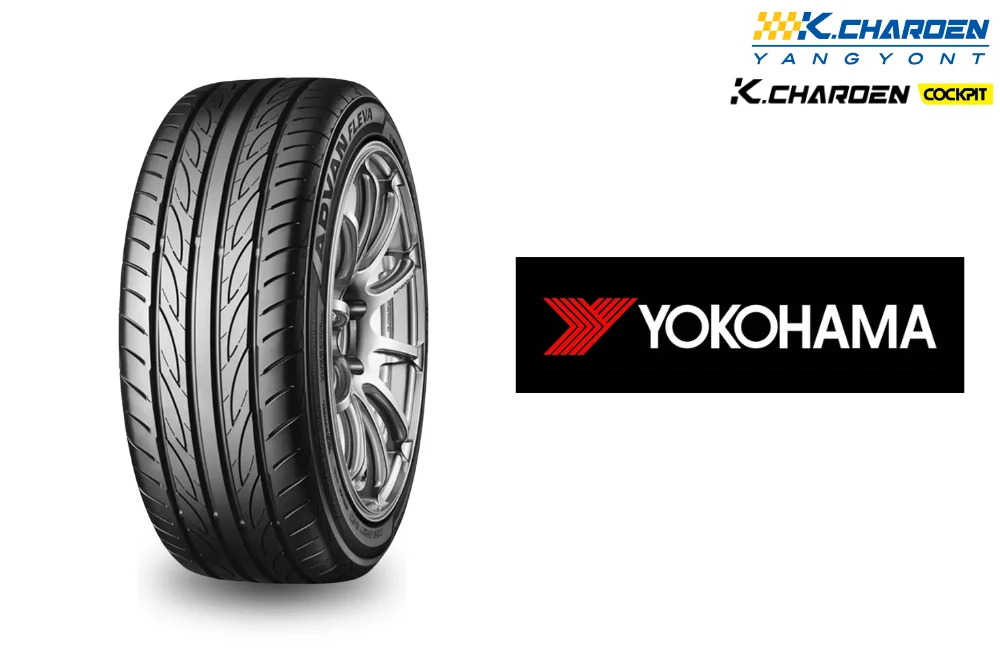
Yokohama stands out for its precise handling and steering response, delivering an engaging and confidence-inspiring driving experience. Its range includes performance tyres, fuel-efficient tyres, and comfort-focused tyres for everyday use.
Hankook
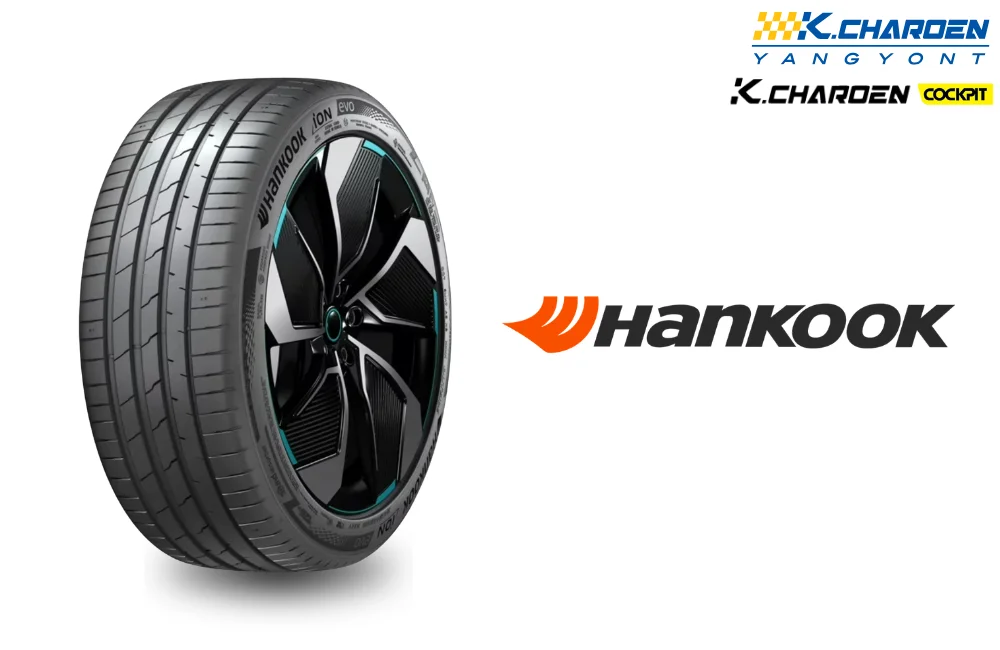
Hankook has significantly elevated its position over the past decade, becoming an original equipment tyre for several European vehicle models. Its key strength is value for money, offering quality close to that of top-tier brands at a lower price. The brand also has tyre ranges specifically designed for electric vehicles.
Firestone
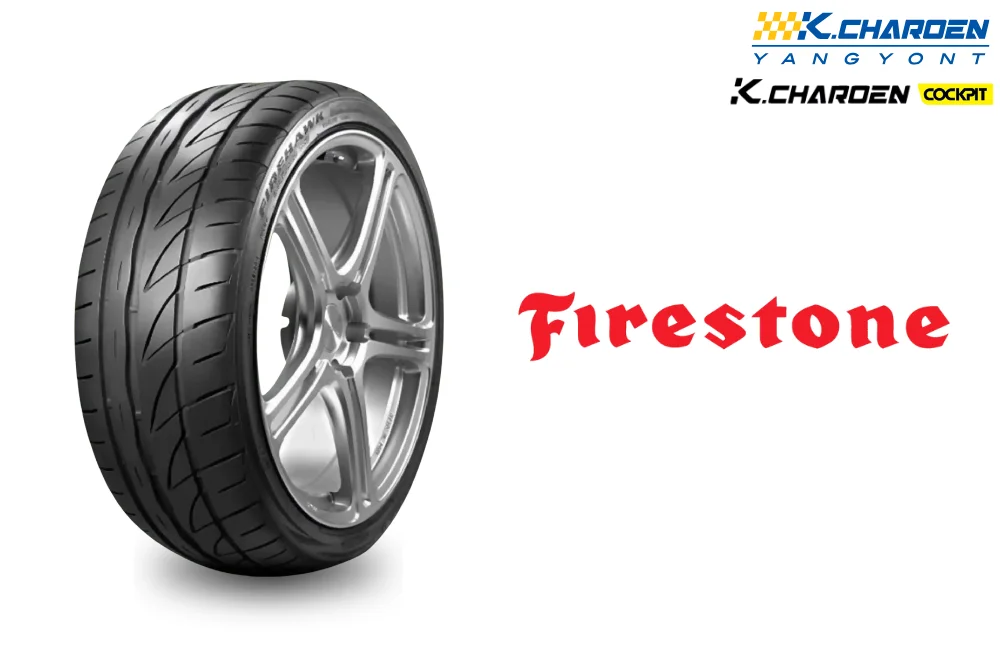
Firestone is a suitable option for drivers with a limited budget who still want confidence from tyres produced in the same manufacturing network as Bridgestone. The brand focuses on durability, accessible pricing, and suitability for everyday vehicles where ride comfort and quietness are not the main priorities.
BFGoodrich
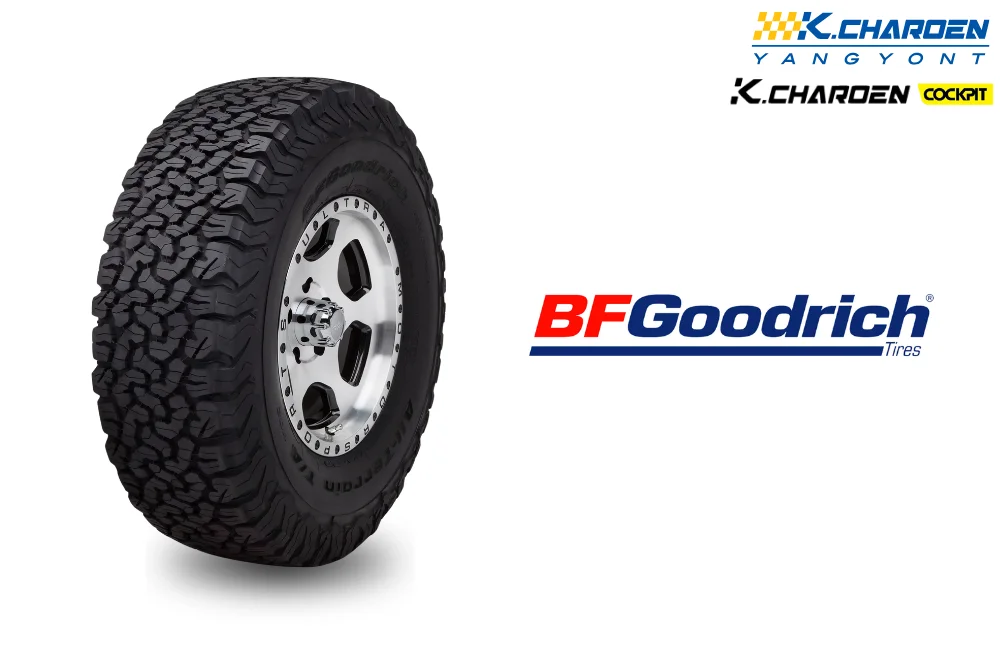
BFGoodrich is a true specialist in off-road tyres, particularly its All-Terrain and Mud-Terrain ranges for lifted pickup trucks and off-road vehicles. The trade-off is higher tread noise and a firmer ride compared with road-focused tyres, which is normal for this type of tyre.
Maxxis
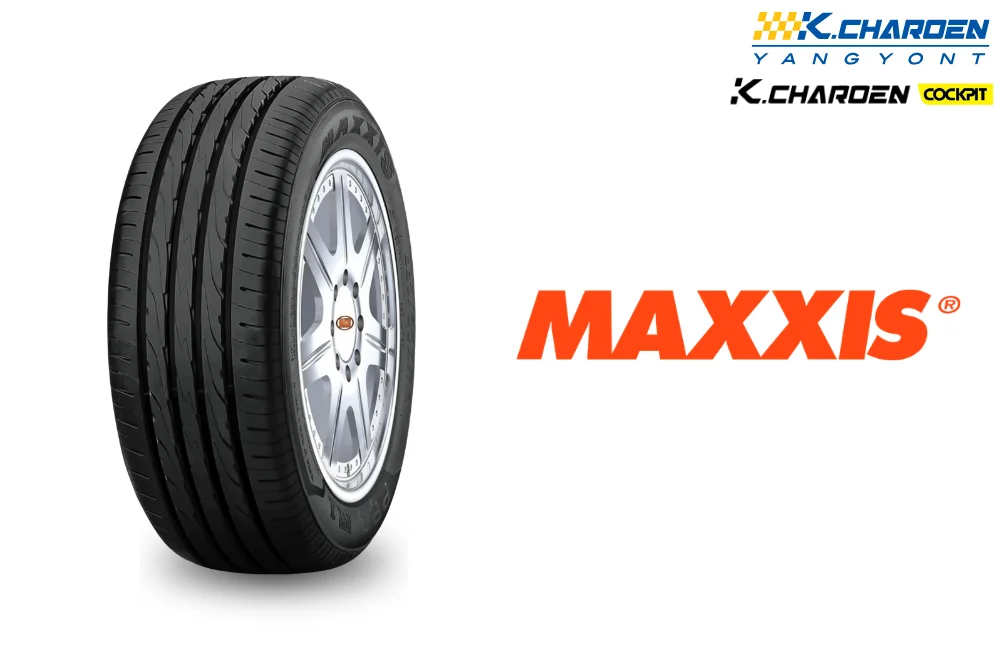
Maxxis offers a wide range of tyre sizes and models for passenger cars, pickup trucks, and SUVs. It is suitable for drivers looking for good value while still prioritising everyday usability, durability, and compatibility with their vehicle type.
The tyre model should be selected primarily based on driving style and budget.
4 Questions to Ask Yourself Before Deciding Which Tyre Brand to Choose
1. How Many Kilometres Do You Drive Per Year?
If you drive less than 10,000 km per year, the tyres may deteriorate with age before the tread wears out. Therefore, you should focus more on service life and suitability rather than tread durability alone. However, if you drive more than 20,000 km per year, durability and cost per kilometre become more important factors.
2. Where Do You Mainly Drive?
If you mostly drive in the city and frequently encounter traffic congestion, you should prioritise ride comfort, quietness, and wet-road grip over high-speed performance. For those who regularly drive long distances or use motorways, tyres that provide stability, good heat dissipation, and confident handling are more suitable.
3. How Much Firmness Can You Accept?
Tyres designed to emphasise grip and handling often have stiffer sidewalls than standard tyres. If your vehicle already has a firm suspension setup, choosing performance tyres may make the ride feel even firmer and less comfortable.
4. Is the Brand and Model You Are Interested in Available in the Right Size for Your Vehicle?
Not every tyre brand or product range is available in every size. Before making a decision, you should check the tyre size, wheel diameter, load index, and speed rating. This is especially important for vehicles that require specialised tyres, such as Run-flat tyres, as some brands may not offer a suitable model or size.
5. What Is Your Budget Per Tyre, and What Is the Cost Per Kilometre?
A tyre priced at 3,000 baht that lasts 60,000 km costs approximately 5 satang per kilometre. In comparison, a tyre priced at 1,800 baht that lasts 30,000 km costs approximately 6 satang per kilometre. Looking only at the price per tyre may therefore not reflect its true value.
Note: The figures above are examples intended to demonstrate the calculation method and do not refer to any specific tyre model. Actual tyre life depends on driving conditions, suspension condition, and maintenance.
Which Tyre Brand Is Suitable for a Car That Is Driven Infrequently?
This is another question we hear very often, and it is also one of the most commonly misunderstood topics. Many people assume that if they only drive a few thousand kilometres per year, choosing the cheapest tyre is enough because it should last a long time.
First, it is important to understand that tyre wear is not the same as tyre deterioration.
- Tyre wear refers to the tread becoming shallower due to friction with the road. The more you drive, the more the tread wears.
- Tyre deterioration is caused by chemical reactions between the rubber compound and oxygen, ozone, heat, and sunlight. Over time, the rubber becomes harder, loses flexibility, and may develop cracks on the sidewall or at the base of the tread grooves. This can happen even when the vehicle is parked and not being driven.
As a result, cars that are driven infrequently can face an unusual situation: the tread may still look almost new, but the rubber compound has already hardened, resulting in longer braking distances and increased road noise.
A tyre in this condition may still look good visually, but from an engineering perspective, it has already reached the end of its usable life. This is especially relevant in Thailand, where strong sunlight and year-round heat can accelerate tyre deterioration much faster than in colder climates.
How to Choose Tyres for a Car That Is Driven Infrequently
1. Don’t Pay Extra for Tread Life You Will Never Fully Use
A tyre advertised to last 80,000 km offers little benefit to someone who drives only 6,000 km per year. You will likely need to replace the tyres due to age after around 5–6 years, by which time you may have driven only about 35,000 km. The extra money paid for longer tread life would therefore provide little practical value.
2. But Don’t Simply Choose the Cheapest Tyres
Very low-priced tyres may contain lower levels of anti-degradation additives, such as antiozonants and antioxidants. As a result, they may develop cracks more quickly, with some tyres showing signs of cracking from around the third year even though plenty of tread remains.
For cars that are driven infrequently, resistance to deterioration is one of the key qualities you are actually paying for.
3. The Best Value Is Often Found in Mid- to Upper-Mid-Range Comfort or Touring Tyres
Examples include comfort-focused and quiet tyre ranges from Michelin, Dunlop, Bridgestone, Continental, or Hankook. These tyres offer good-quality rubber compounds designed to remain suitable throughout their service life, together with the quietness and comfort you can appreciate every day, without paying extra for performance you may never use.
4. Watch Out for Flat Spots Caused by Long Periods of Parking
When a vehicle remains parked in the same position for several weeks, its weight can press against the tyres and create temporary flat spots, which may cause vibration when you first start driving.
This can be reduced by keeping the tyre pressure at the recommended specification, moving the vehicle every 1–2 weeks, and parking in a shaded area or away from direct sunlight whenever possible.
Summary for Cars That Are Driven Infrequently
Choose mid-range to premium comfort-focused tyres from a reputable brand, maintain the tyre pressure according to the vehicle manufacturer’s specifications, and inspect the tyre sidewalls every 6 months. Tyres should also be rotated every 10,000 kilometres or every 6 months, whichever comes first, to help promote more even tread wear.
Even if the vehicle is used infrequently and plenty of tread remains, tyre replacement should be considered when the tyres are around 5–6 years old, together with an assessment of their actual condition. Tyres should not be used for more than 10 years from the date of manufacture.
If you are unsure whether your current tyres are still safe to use, you can visit K. Charoen Yangyont and K. Charoen Cockpit and have our technicians inspect them before making a decision. Click to Contact Our Experts
Which Tyre Brand Should You Choose? Select Based on Vehicle Type
Passenger Cars for Everyday Use
Focus on quietness, ride comfort, and wet-road grip. Comfort or Touring tyres are generally the most suitable choice. There is no need to choose tyres with a speed rating higher than the vehicle manufacturer’s specification, as tyres designed for higher speeds often have stiffer sidewalls and may provide a firmer ride.
SUVs and Pickup Trucks
Because SUVs and pickup trucks are heavier and have a higher centre of gravity, their tyre sidewalls are subjected to greater flexing forces. The first specification to check is the load index to ensure it meets the required rating.
After that, consider whether the vehicle is used mainly on paved roads with H/T tyres or on dirt and gravel roads with A/T tyres. A/T (All-Terrain) tyres provide greater confidence away from paved roads, but the trade-off is increased tread noise and longer braking distances on wet roads compared with road-focused tyres.
Electric Vehicles (EVs) and Hybrids
EVs are significantly heavier than comparable internal-combustion vehicles. They also deliver full torque immediately from a standstill. As a result, tyres may wear more quickly. In addition, the quieter cabin makes tyre noise more noticeable.
When choosing tyres for an EV, consider the following:
- A sufficiently high load index, often requiring reinforced XL tyres
- Low rolling resistance to help maintain driving range per charge
- Noise-reduction technology, such as sound-absorbing foam inside the tyre
Today, many tyre brands offer ranges specifically designed for EVs.
What Should You Do After Replacing Your Tyres?
- Balance the wheels every time a tyre is removed from the wheel.
- Have the wheel alignment checked when replacing all 4 tyres, or if you notice symptoms such as the steering pulling to one side, the vehicle not tracking straight, or uneven tyre wear. Read more about wheel alignment and wheel balancing.
- Set the tyre pressure according to the label on the driver’s door pillar, not the maximum pressure printed on the tyre sidewall. The number on the sidewall indicates the maximum pressure the tyre can handle, not the pressure specified by the vehicle manufacturer.
- Reset the Tyre Pressure Monitoring System (TPMS) if your vehicle is equipped with one.
- Drive carefully during the first 100–200 kilometres, as the surface of new tyres may still have mould-release agents on it, meaning they may not yet provide full grip.
- Rotate the tyres every 10,000 km or every 6 months, whichever comes first.
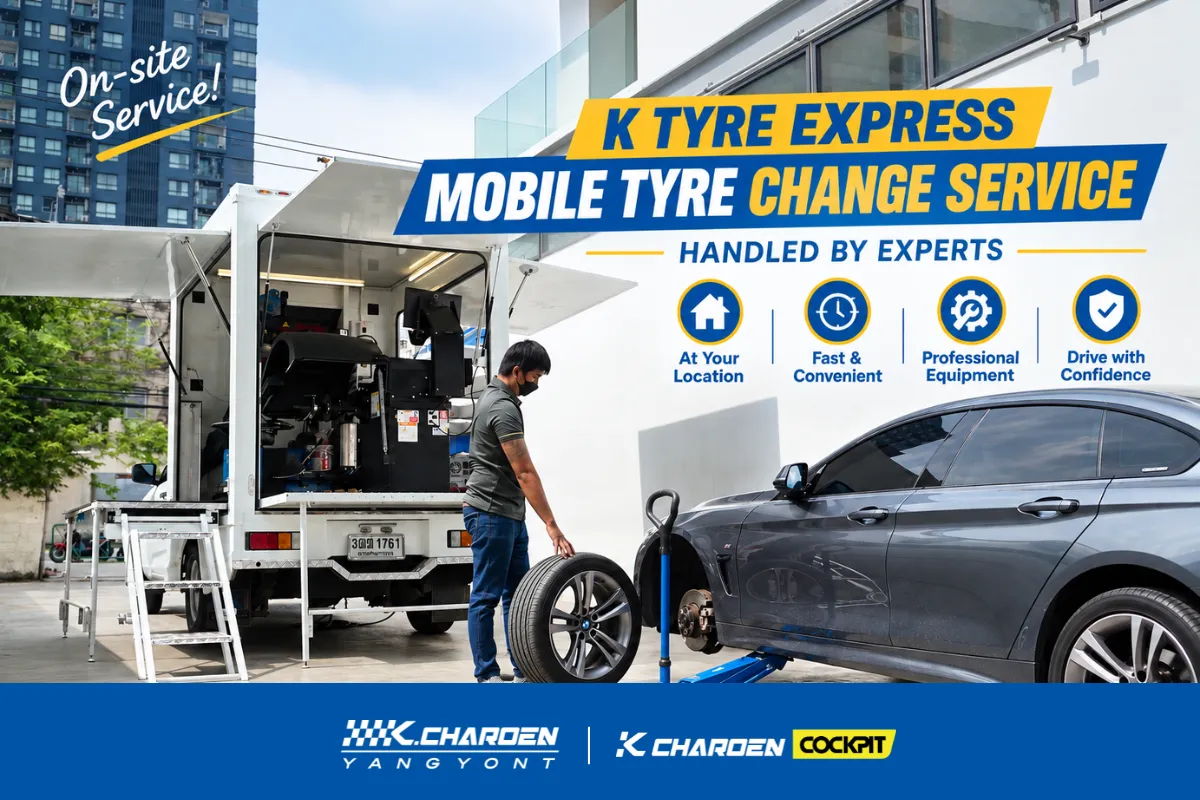
If visiting the shop is inconvenient, we also offer the K Tyre Express mobile tyre replacement service, with technicians and equipment sent directly to your location.
So, Which Tyre Brand Should You Choose?
The answer depends on three things. First, consider where you usually drive and how many kilometres you drive per year. Then, decide what matters most to you: comfort, quietness, grip, durability, or price.
Once you can answer these three questions, the list of suitable brands will usually narrow down to just a few options. Choosing the right model within that brand will often make a greater difference than simply switching from one brand to another.
For cars that are driven infrequently, remember one key point: time is the enemy of tyres, not mileage. Choose tyres with a good-quality rubber compound, maintain the correct tyre pressure, and replace them according to age rather than mileage alone.
K. Charoen Yangyont and K. Charoen Cockpit provide tyre replacement services by a team of technicians with more than 42 years of accumulated experience. We offer tyres from leading brands for a wide range of applications, with tyre warranties of up to 6 years and service warranties of up to 7 days.
If you are still unsure which tyre brand to choose, we are happy to recommend suitable options based on your actual driving needs before you make a decision.
Frequently Asked Questions (FAQs) About Choosing a Tyre Brand for Replacement
A: There is no single tyre brand that is best for everyone. If you prioritise a smooth and quiet ride, consider Michelin, Dunlop, or Bridgestone. If braking performance and wet-road grip are more important, consider Continental or Goodyear. For performance-focused driving, Pirelli or Michelin may be suitable choices. If you have a limited budget, consider Hankook, Firestone, or Maxxis.
More important than choosing the brand itself is selecting the right tyre model for your driving needs and ensuring that the tyre specifications meet or exceed the requirements set by the vehicle manufacturer.
A: Cars that are driven infrequently should use mid-range to upper-mid-range comfort-focused tyres from brands known for good rubber compound quality, such as Michelin, Dunlop, Bridgestone, Continental, or Hankook.
For these vehicles, the main concern is not tread wear but the deterioration of the rubber compound over time. Therefore, there is no need to pay extra for exceptionally long tread life. However, it is also advisable to avoid very low-priced tyres that may be more prone to developing cracks sooner.
A: Replacing all 4 tyres provides the best balance of grip and vehicle handling. However, if your budget is limited and you replace only 2 tyres, both tyres on the same axle should be the same brand, model, and size. For front-wheel-drive vehicles, the new tyres should be installed on the front wheels to help improve steering control and grip.
A: Tyres should be replaced when the tread depth reaches the tread wear indicator, at approximately 1.6 mm. However, because Thailand experiences frequent rainfall, we recommend replacing tyres when the tread depth reaches around 3 mm to help maintain effective water evacuation.
Tyres should also be replaced if you notice bulges, cracks, or when they reach around 5–6 years from the date of manufacture, even if there is still tread remaining. Read more in our article:When to Replace Car Tyres: What Every Driver Should Know.
A: Wheel balancing should be performed every time a tyre is removed from the wheel. Wheel alignment is recommended when replacing all 4 tyres or if the vehicle pulls to one side, the steering wheel is not centred, or the tyres show uneven tread wear.
About the Author
This article was prepared by the expert technician team at K. Charoen Yangyont, which was established in 1983 from a passion for the automotive industry and a commitment to providing service with care. Over more than 42 years, we have grown from a small tyre shop into two branches: K. Charoen Yangyont and K. Charoen Cockpit.
With decades of experience in the automotive industry, we understand that customers value convenience, speed, and quality. We therefore developed a mobile tyre replacement service that brings standard equipment and experienced technicians directly to your location, making quality service as convenient and accessible as possible.
Whether you visit one of our shops or use our mobile service, we remain committed to providing the same level of expertise and genuine service.
Interested in our mobile tyre replacement service? Contact us at:
K. Charoen Yangyont Branch
Address: K. Charoen Yangyont (Sukhumvit 91 Branch)
Opening Hours: Monday – Saturday, 08:30 – 18:00
Tel: 02 331 9911, 02 331 8882-4
Line: @kc4418
K. Charoen Cockpit Branch
Address: K. Charoen Cockpit (Udomsuk 28 Branch)
Opening Hours: Monday – Saturday, 08:30 – 18:00
Tel: 02 393 3356, 086 318 1401
Line: @kcockpit
SHARE THIS STORY


RELATES TAGS
More Post

Get to Know Car Tyres: The Essential Component That Makes Your Vehicle Perfect
Read More →
"Wheel Alignment and Balancing Near Me": How to Choose the Right Service for Your Vehicle
Read More →
On-Site Tyre Replacement Near Me by Expert Technicians – Fast Service (K Tyre Express)
Read More →