


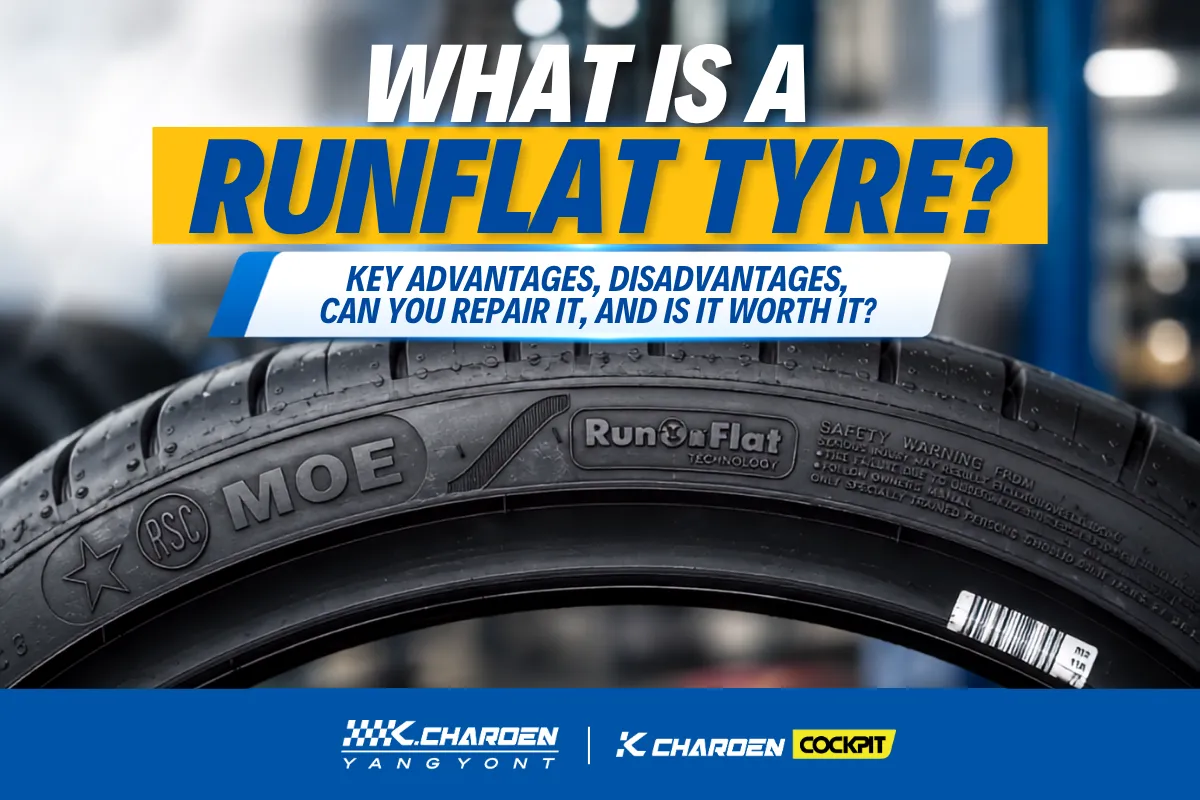
What Is a Runflat Tyre? Learn the Pros, Cons, and Value Before You Switch
If you have ever seen a BMW or MINI driving on the road with a tyre that looks half flat yet still keeps moving, do not assume the driver is unaware.
That is exactly what a Runflat tyre is designed to do.
A Runflat tyre is a tyre technology developed to handle one of the situations drivers fear most—a flat tyre in the middle of the night, on a mountain road, or on an expressway with nowhere safe to stop.
In this article, K. Charoen Yangyont and K. Charoen Cockpit will help you understand what a Runflat tyre really is, how it works, its advantages and disadvantages, whether it can be repaired, and most importantly, whether it is worth switching to.
How Does a Runflat Tyre Work? Why Can It Still Drive After Losing Air?
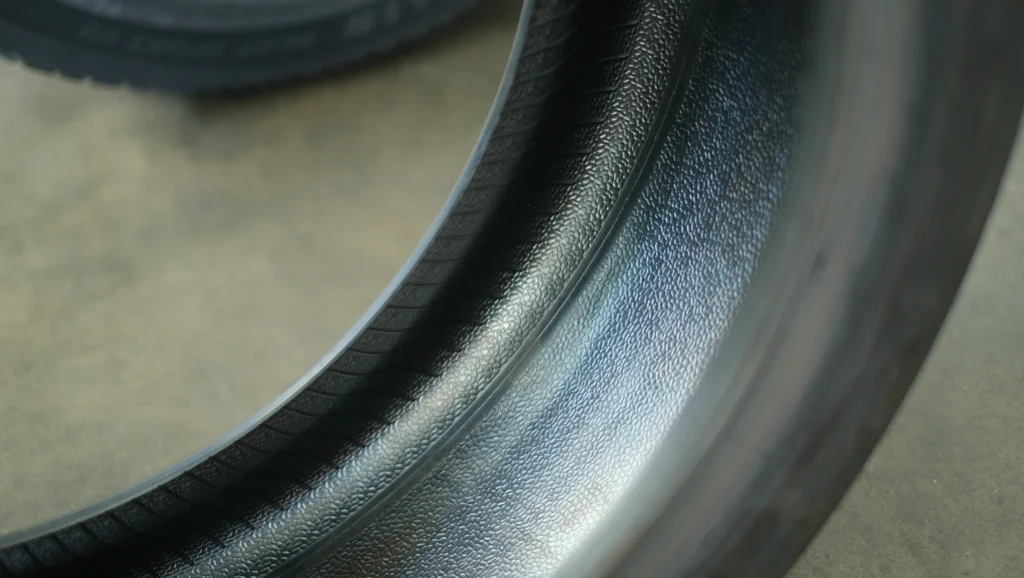
A Runflat tyre differs from a standard tyre because its sidewalls are built to be significantly stronger and thicker than normal tyres.
Manufacturers use reinforced rubber compounds together with strengthened internal construction to support the vehicle even after air pressure is lost.
As a result, when the tyre becomes punctured or completely deflated, the sidewall can still carry the weight of the car without collapsing, bursting, or separating from the wheel rim.
This allows the driver to maintain control of the vehicle even when tyre pressure has dropped to zero.
That is why Runflat tyres have become standard equipment on many European vehicles, especially BMW and MINI, which are often delivered from the factory without a spare tyre.
How to Check if Your Car Has Runflat Tyres
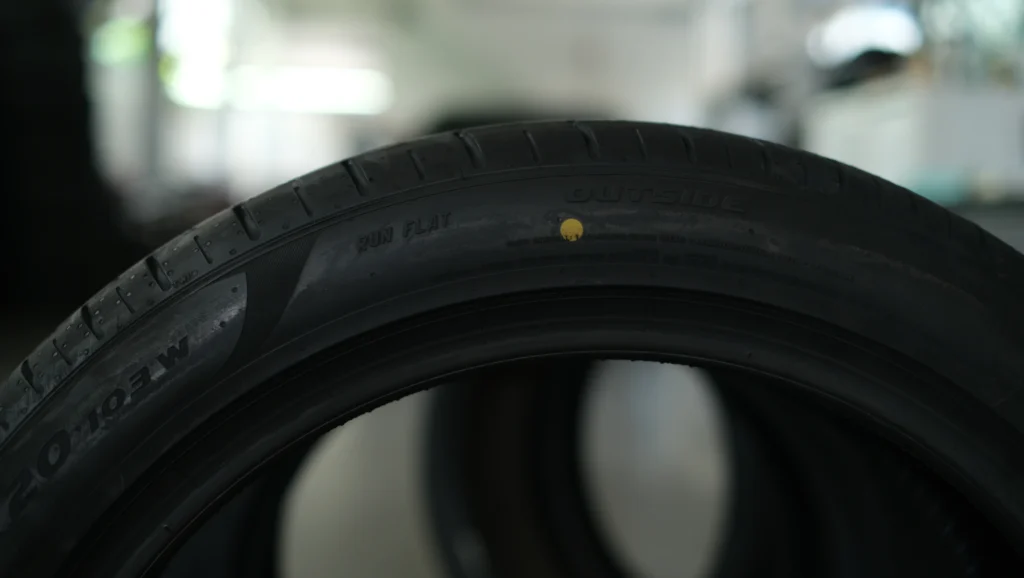
If you are not sure what type of tyres your car is using, the easiest place to check is the tyre sidewall.
Follow these simple steps.
Look for Sidewall Markings
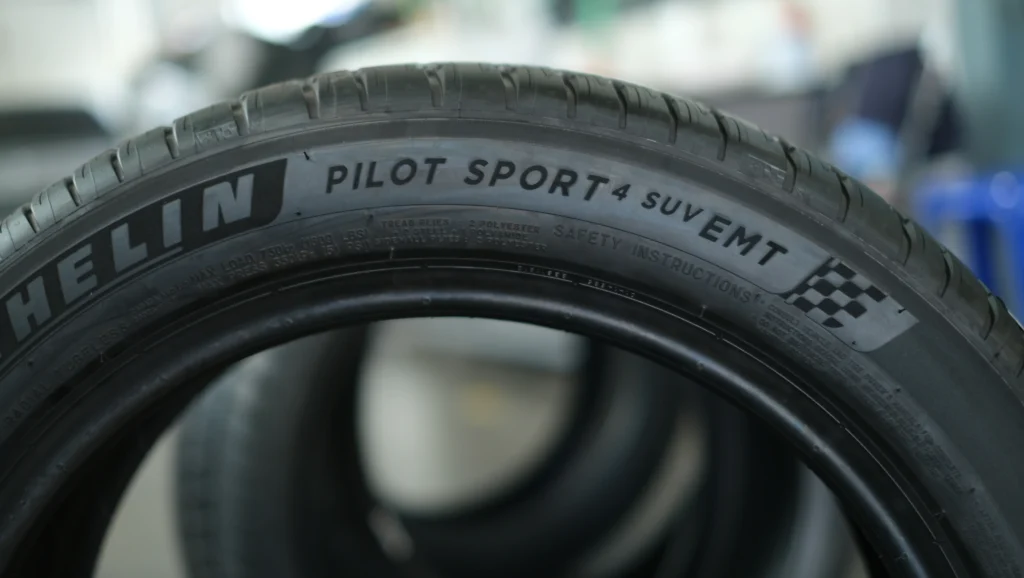
Check the sidewall for bold English abbreviations such as:
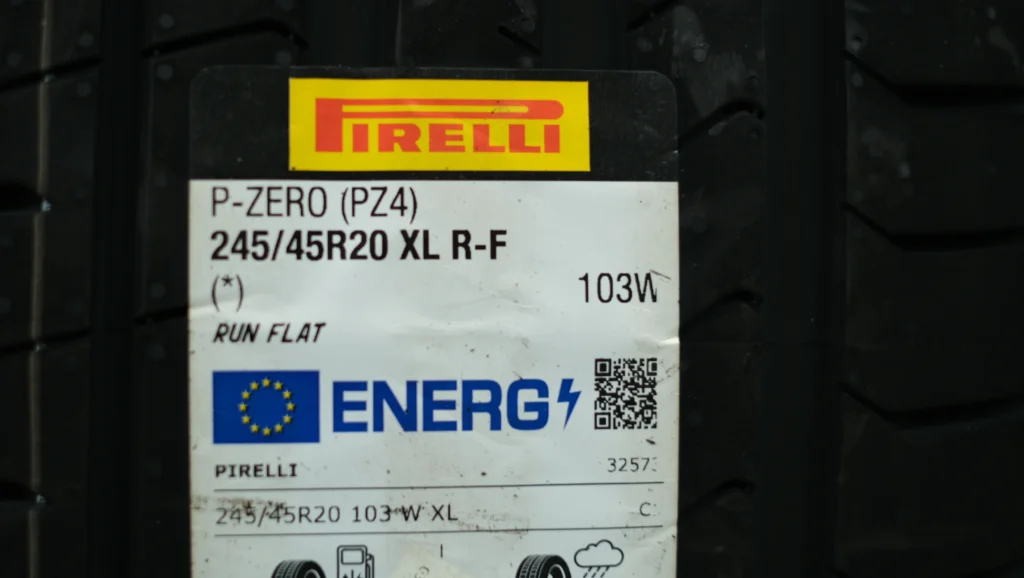
- RFT (commonly used by Bridgestone and Pirelli)
- ZP or EMT (used by Michelin)
- SSR (used by Continental)
- ROF (used by Goodyear)
These markings usually indicate Runflat tyre technology.
Look for the RSC Mark
For BMW or MINI vehicles, look for the letters RSC inside a circle.
This stands for Runflat System Component, a common runflat standard used by these brands.
Check for a Spare Tyre
Open the boot and check whether the vehicle came with a spare tyre.
If the car has no spare tyre from the factory, there is a high chance it was designed to use Runflat tyres.
Why Runflat Tyres Became Standard Equipment on Many European Cars
Runflat tyres are not popular only because of advanced technology.
Many European car manufacturers choose them because they offer real advantages in safety, convenience, and everyday driving.
Here are the key benefits technicians often see in real-world use.
Better Safety During Sudden Tyre Failure at High Speed
One of the most dangerous road situations is a sudden puncture or blowout while driving at speed.
When this happens with a standard tyre, many drivers react suddenly and may lose control of the vehicle.
With a Runflat tyre, the situation is very different.
The driver can usually continue steering, braking, and controlling the car because the tyre sidewall still supports the vehicle even after air pressure is lost.
The car is less likely to pull sharply or create violent steering movement.
This gives the driver valuable time to leave a dangerous lane and stop in a safer place.
No Need to Change a Tyre at the Roadside
Imagine getting a flat tyre on an expressway at night with fast traffic passing nearby.
Changing a tyre in that situation can be extremely risky.
Runflat tyres help remove this problem because you can usually continue driving to the nearest garage or tyre centre without leaving the vehicle.
This reduces the risk of roadside accidents and lowers stress, especially when driving alone or at night.
More Space and Less Vehicle Weight
Vehicles designed for Runflat tyres often do not carry a spare tyre.
This creates extra luggage space under the boot floor and can reduce total vehicle weight by around 10–15 kg, depending on tyre size.
For vehicle manufacturers, this is a valuable advantage because lower weight can improve fuel efficiency and overall vehicle performance.
Important Limitations to Know Before Choosing Runflat Tyres
After hearing the advantages, it is equally important to discuss the other side as well.
Runflat tyres are not ideal for every driver or every situation.
There are several important factors to understand before making a decision, and knowing them in advance can help you choose more wisely.
Reduced Ride Comfort and a Firmer Driving Feel
This is one of the most common complaints from drivers who switch to Runflat tyres and feel that the car no longer drives the same way.
Because the sidewalls are much stiffer than standard tyres, they absorb less road impact.
When driving over rough roads, potholes, or expansion joints, more vibration is transmitted into the cabin.
Drivers who prefer a soft and comfortable ride may need time to adjust.
Higher Price Than Standard Tyres
Cost is another major reason many people hesitate.
Runflat tyres often cost around 1.5 to 2 times more than standard tyres of the same size.
For larger European SUVs using bigger tyre sizes, the cost per tyre can be even higher.
Since replacing all four tyres together is often recommended for balanced handling, budgeting becomes an important consideration.
The “80/80 Rule” – Speed and Distance Limits After Pressure Loss
Another common misunderstanding is believing that Runflat tyres can be driven indefinitely after losing air pressure.
They cannot.
A common manufacturer guideline is the 80/80 rule:
- Maximum speed: 80 km/h
- Maximum distance: 80 kilometres
If you exceed these limits after the tyre has lost pressure, the reinforced sidewall can overheat and become damaged.
That means once you know the tyre is flat, you should drive directly to the nearest tyre shop or service centre—not postpone it until another day.
Can Runflat Tyres Be Repaired, or Must They Be Replaced?
In general, Runflat tyres are not usually recommended for repair.
This is because their reinforced sidewalls are designed to support the vehicle even when tyre pressure is low or completely lost.
If the tyre has been driven while underinflated or flat, internal structural damage may occur without showing any visible signs on the outside.
Can They Be Repaired in Some Cases?
In certain situations, if the puncture is small and located in the tread area, an experienced technician may consider repairing the tyre.
However, the tyre must first be inspected carefully to confirm that the sidewall and internal structure have not been damaged.
Why Replacement Is Often the Safer Choice
For long-term safety and reliability, replacing the tyre is usually the recommended option.
A common problem is that many drivers continue using the tyre after pressure drops because the vehicle can still move.
If the tyre is driven too far—especially beyond the recommended 80 km limit—the inner sidewall may become damaged without the driver realising it.
At that point, the tyre may no longer be repairable and replacement becomes necessary.
Final Verdict
Runflat tyres can sometimes be repaired, but only in specific cases and only after professional inspection.
They should never be ignored or delayed.
If a Runflat tyre loses pressure, it is best to have the vehicle inspected as soon as possible.
Can You Switch to Runflat Tyres Yourself, or Should You Ask a Technician First?
Many drivers who become interested in Runflat tyres ask the same question:
“Are they suitable for my car?”
Customers at K. Charoen Yangyont and K. Charoen Cockpit ask this often.
The most honest answer is this:
Do not decide based only on online reviews.
Whether Runflat tyres are truly suitable depends on your specific vehicle condition and driving needs.
What Should Be Checked Before Switching to Runflat Tyres?
Before buying, technicians usually inspect three important areas.
1. TPMS System
Your vehicle should have a working Tyre Pressure Monitoring System (TPMS).
This is essential because if a Runflat tyre loses pressure and there is no warning signal, the driver may not realise the tyre is already operating within the limited 80/80 range.
That can be more dangerous than using standard tyres.
2. Tyre Size and Wheel Specifications
Runflat tyres are not available in every size.
A technician should confirm that the correct tyre size and suitable model are available for your vehicle.
3. Suspension and Shock Absorbers
This point is very important but often overlooked.
Runflat tyres already have stiffer sidewalls than standard tyres.
If the shock absorbers or suspension parts are already worn, the ride can become much harsher and less comfortable.
It is wise to inspect the suspension first.
Can You Install Runflat Tyres at Any Tyre Shop?
Runflat tyres can be fitted at many tyre shops, but the shop should have equipment designed for Runflat tyres.
Because the sidewalls are much stiffer, mounting and removing them is more difficult than standard tyres.
Using unsuitable tools can damage the tyre bead or wheel rim without the customer realising it.
For the best result, choose a tyre shop with real experience handling Runflat tyres.
Summary: Who Are Runflat Tyres Best For, and Are They Really Worth It?
Runflat tyres are an excellent choice for drivers who often travel alone, do not want the hassle of changing a tyre at the roadside, regularly drive long distances or on expressways, or own vehicles originally designed to use this tyre type—especially many European models.
For these drivers, the value can be very high because the added peace of mind and safety are difficult to measure in price alone.
Who Might Prefer Standard Tyres?
If you mainly drive in the city, travel short distances, prefer a softer and more comfortable ride, or have a tighter budget, then high-quality standard tyres combined with an emergency tyre repair kit may be the more practical choice.
Another Option: Pirelli Seal Inside
Another alternative is Pirelli Seal Inside technology.
These tyres contain a special sealing material inside the tyre. If the tyre is punctured by a nail or sharp object, the sealant automatically moves into the hole and helps seal the leak immediately.
This reduces sudden air loss and lowers the chance of getting stranded with a flat tyre.
Unlike Runflat tyres, this system does not rely on reinforced sidewalls.
It is not a Runflat tyre, but it offers another solution for drivers who want extra confidence while keeping the softer ride comfort and driving feel of a conventional tyre.
About the Author
The content in this article comes from the direct experience of the technician teams at K. Charoen Yangyont and K. Charoen Cockpit, who work with all types of car tyres on a daily basis.
Together, we have more than 42 years of experience, beginning with the opening of our first branch in 1983.
Through real workshop experience, our technicians have seen many different driving habits, tyre conditions, and wear patterns over the years.
We have gathered that practical knowledge and observations into clear, easy-to-understand information to help readers choose the most suitable tyres for their needs.
Our goal is to provide accurate and useful guidance so drivers can make informed decisions with greater confidence.
Contact Us
K. Charoen Yangyont Branch
Address: K. Charoen Yangyont (Sukhumvit 91 Branch)
Opening Hours: Monday – Saturday, 8:30 AM – 6:00 PM
Phone: 02 331 9911, 02 331 8882-4
Line: @kc4418
K. Charoen Cockpit Branch
Address: K. Charoen Cockpit (Udomsuk 28 Branch)
Opening Hours: Monday – Saturday, 8:30 AM – 6:00 PM
Phone: 02 393 3356, 086 318 1401
Line: @kcockpit
SHARE THIS STORY


RELATES TAGS
More Post



Get to Know Car Tyres: The Essential Component That Makes Your Vehicle Perfect
Read More →
"Wheel Alignment and Balancing Near Me": How to Choose the Right Service for Your Vehicle
Read More →


On-Site Tyre Replacement Near Me by Expert Technicians – Fast Service (K Tyre Express)
Read More →