


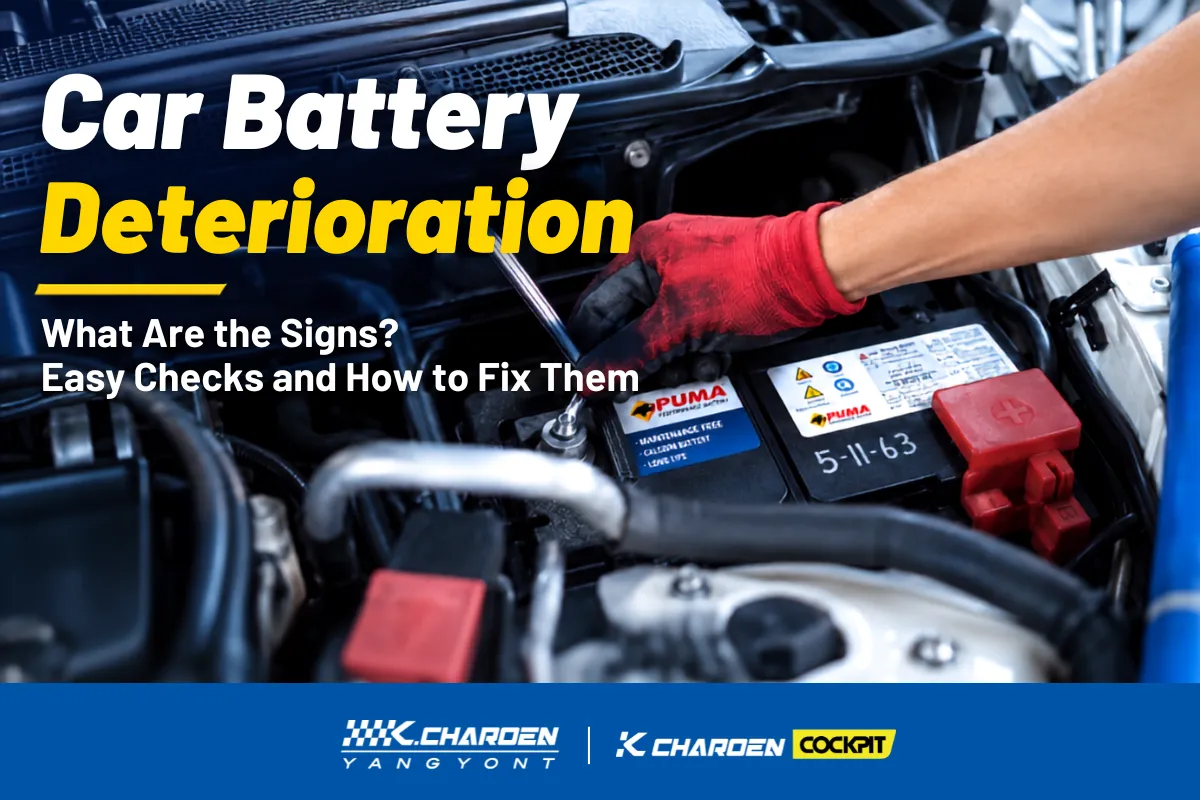
9 Signs of a Failing Car Battery: Expert Advice to Prevent Roadside Breakdowns
Have you ever faced a situation where you were rushing out of the house only to find your car wouldn’t start? Or perhaps you had to turn the key several times while practically saying a prayer? That might be a signal from your battery telling you, “I’m running out of energy!”
Recognizing the signs of a failing car battery early will prevent you from getting stranded on the road or having to call for help at an inconvenient time. In this article, K. Charoenyangyont will introduce the warning signs that indicate your battery is struggling, along with the correct ways to handle them.
9 Simple Ways to Check for a Failing Car Battery Yourself
Car batteries do not fail overnight. Instead, they provide warning signs over time. If you observe carefully, you can detect these abnormalities early. Recognizing these symptoms helps you plan maintenance promptly and avoids emergency situations where your car won’t start.
Here are the most common signs of a failing car battery:
1. Difficult Starts and Repeated Ignition Attempts
This is the most obvious sign of a failing battery. If you have to turn the key several times or hold the start button longer than usual, your battery likely lacks the power to crank the engine. This symptom becomes even more noticeable during cold mornings. Normally, a car with a healthy battery should start within seconds. If you find yourself struggling with multiple attempts, your battery no longer holds a sufficient charge.
2. Weak or Sluggish Starting Sound
If the engine’s starting sound seems sluggish or weaker than usual, your battery is likely losing power. A normal start should sound strong and consistent. Conversely, a failing battery produces a sound that suggests the engine is struggling to fire up. This happens because the battery cannot supply enough current to the starter motor.
3. Dim or Fluctuating Headlights
Observe your headlights while the car is parked. If the light flickers or appears much dimmer than usual, your battery may be too weak to provide full power. To check this, try turning on the headlights while the engine is off. If the light is very faint or barely visible, your battery is nearly depleted.
4. Malfunctioning Electrical Systems
Modern cars rely heavily on various electrical systems. When a battery fails, these systems often become unstable. For example, your music might stop playing unexpectedly, the display screen may flicker or turn off, or the navigation system might restart on its own. These issues occur because a weak battery cannot provide constant voltage.
5. Flickering Dashboard Displays or Warning Lights
If your dashboard display or warning lights flicker on and off, this is a clear sign of an unstable power supply. This occurs when the battery lacks the strength to maintain a steady flow of electricity to the vehicle’s computer and sensors. Consequently, the instrument cluster may display erratic symbols or experience temporary blackouts.

6. Weaker Horn Sound
Try pressing your horn. If the sound is quieter or fainter than usual, your battery is likely failing. This is a simple way to check your battery’s condition yourself. A normal horn should sound loud and clear, but a weak battery causes the sound to lack power.
7. Slow Power Windows
Monitor the speed of your power windows. If they move up and down slower than usual or seem to lack power, your battery likely cannot supply enough current to the window motors. This symptom becomes particularly obvious when you operate multiple windows simultaneously or when the engine is off.
8. Weak or Inefficient Air Conditioning
While the engine primarily drives the air conditioning system, the battery controls its electrical components. A weak battery can reduce the system’s efficiency, especially right after you start the car. You might notice that the air is not as cold as usual or the blower fan spins slower than normal.
9. Unusual Odors Near the Battery
If you notice a smell similar to rotten eggs or sulfur coming from under the hood, your battery might be leaking or overcharging. You should inspect it immediately as this can be dangerous. Additionally, white or green powdery deposits around the battery terminals indicate corrosion. In such cases, have a professional technician check the battery to ensure your safety.
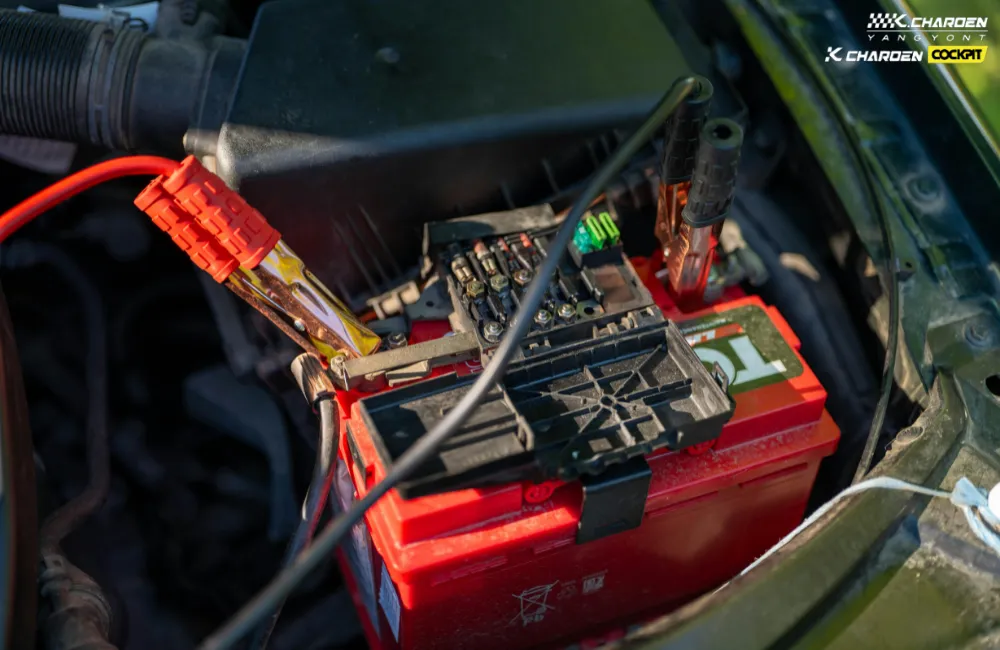
What Should You Do If Your Battery Is Failing?
When symptoms of a failing car battery appear, you must know how to respond. Some signs allow you to continue driving for a short time, while others require an immediate replacement. Here is how to handle each situation:
Which Battery Failure Symptoms Still Allow for Temporary Use?
If the symptoms are in the early stages, such as the engine starting after a longer crank than usual or the lights being slightly dimmer than normal, your battery still holds some charge. In these cases, you should follow these steps:
1. Check the Voltage and Efficiency: Have a technician measure the battery’s voltage. A healthy battery typically reads between 12.4-12.6 Volts; if it falls below this range, you should replace it.
2. Minimize Electrical Use: Avoid using unnecessary electrical equipment while the engine is off.
3. Start the Car Regularly: If you do not drive every day, start the engine frequently to allow the alternator to charge the battery.
Which Symptoms Require Immediate Battery Replacement?
If you experience severe symptoms, your battery has likely reached the end of its lifespan. These signs include the engine failing to start, headlights not turning on, needing a jump-start every time, or unusual odors coming from the battery. In these situations, you should:
1. Replace the Battery Immediately: Remove and install a new battery right away. Continuing to use a dead battery can damage your car’s electrical system or leave you stranded on the road.
2. Check the Charging System (Alternator): Sometimes the problem is not just the battery itself but the alternator failing to charge it. If the alternator is faulty, even a brand-new battery will fail quickly.
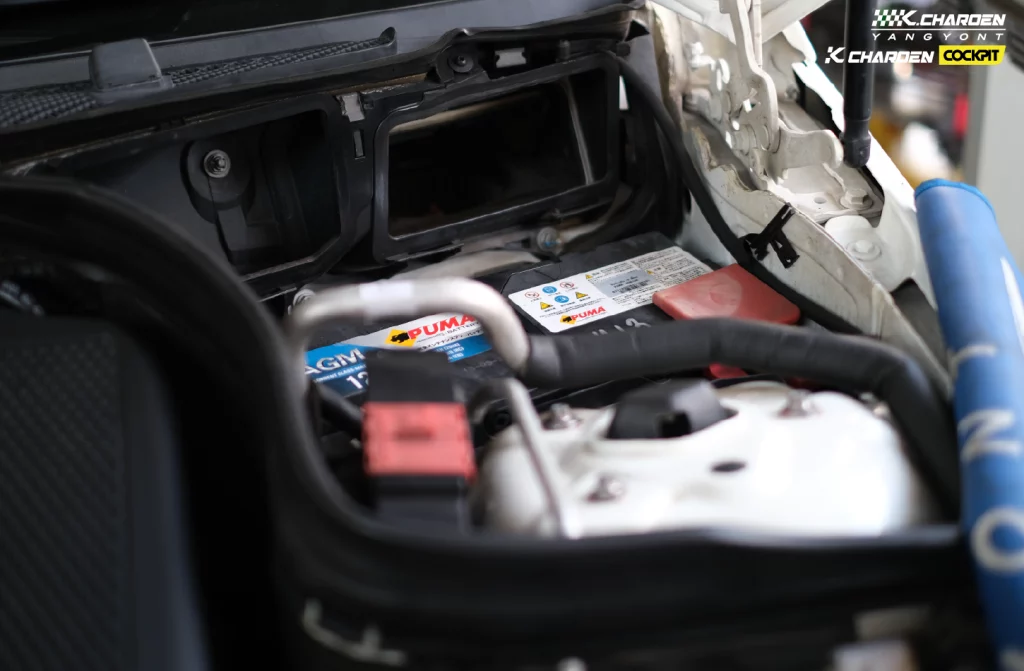
Common Causes of Premature Battery Failure
Understanding why car batteries fail prematurely helps you provide better maintenance and extend their lifespan. Daily driving habits significantly impact battery health. Small changes in your routine can add months or even years to your battery’s life.
Leaving Lights On
This is the most common mistake and a primary cause of overnight battery drain. Leaving headlights, cabin lights, or even license plate lights on while the engine is off rapidly discharges the battery. Always double-check that all lights are switched off before leaving your vehicle.
Leaving the Car Idle for Long Periods
Even when parked, some electrical systems like the clock, anti-theft system, and car computer continue to draw power. If you leave a car idle for more than two weeks, the battery will likely die. We recommend starting the engine and letting it run or driving the car every 3–5 days to allow the alternator to recharge the battery.
Using a Battery for Over 1.5 Years
Car batteries typically last between 2–4 years. Once a battery exceeds 1.5 years of use, you should monitor it closely. Its efficiency naturally decreases over time, and you should plan for a replacement as it approaches the 2-year mark.
Faulty Alternator
The alternator charges the battery while the engine runs. If the alternator fails, the battery will not receive a full charge and will deteriorate quickly. Signs of alternator trouble include the battery warning light on the dashboard or a battery that dies frequently despite being new.
Charging System Issues
Beyond the alternator, worn-out wiring or connectors can hinder charging efficiency. Periodically inspect wires and terminals. White or green powdery deposits indicate corrosion, which blocks the flow of electricity. Clean or replace these connectors to ensure effective charging.
Electrical Leaks or Short Circuits
Incorrectly installed electrical equipment or old, damaged wiring can cause “parasitic draw,” where power leaks out unnoticed. This is common in cars with aftermarket accessories or older vehicles. If your battery drains unusually fast, have a technician inspect the entire electrical system for leaks.
Extreme Weather Conditions
Extreme heat or cold impacts battery performance. In high temperatures, battery fluid evaporates faster, damaging internal plates. In contrast, freezing weather slows down the chemical reaction, making it harder for the battery to charge. Choose high-quality batteries if you live in areas with extreme temperatures.
Excessive Electrical Accessories
Installing extra gadgets like high-power stereos, GPS units, dash cams, and multiple phone chargers increases the load on the battery. Using these devices while the engine is off or idling drains energy rapidly. Consider whether all these accessories are truly necessary.
Improper Electrical Modifications
Modifying the electrical system without proper knowledge can lead to incorrect current flow and shorten battery life. DIY wiring or using non-standard parts often leads to complications. Always have a professional technician handle modifications or installations to ensure safety.
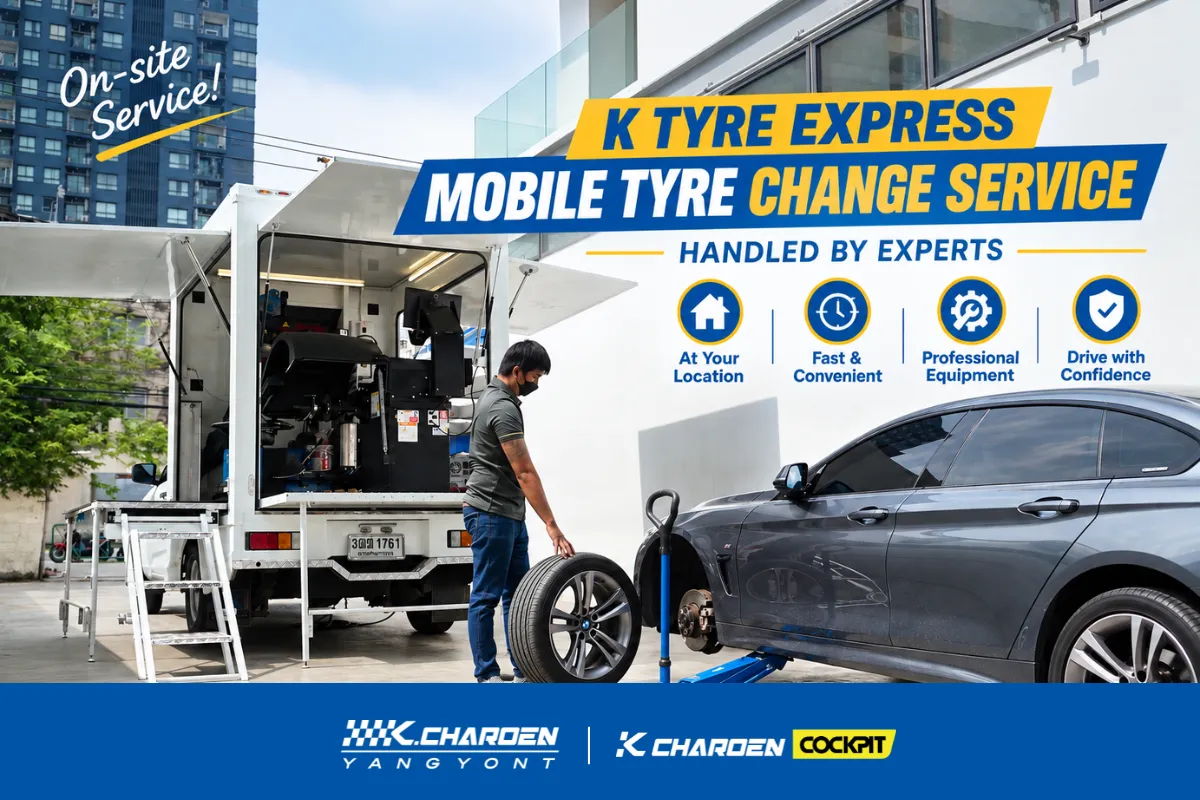
K Tyre Express: On-Site Battery Replacement Service by K. Charoenyangyont and K. Charoen Cockpit
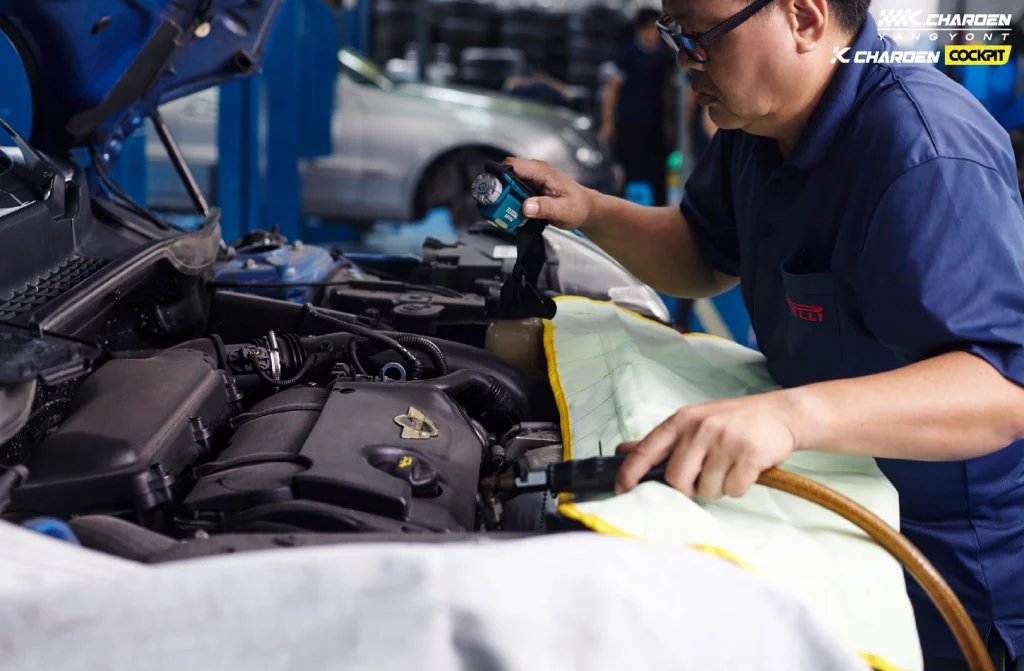
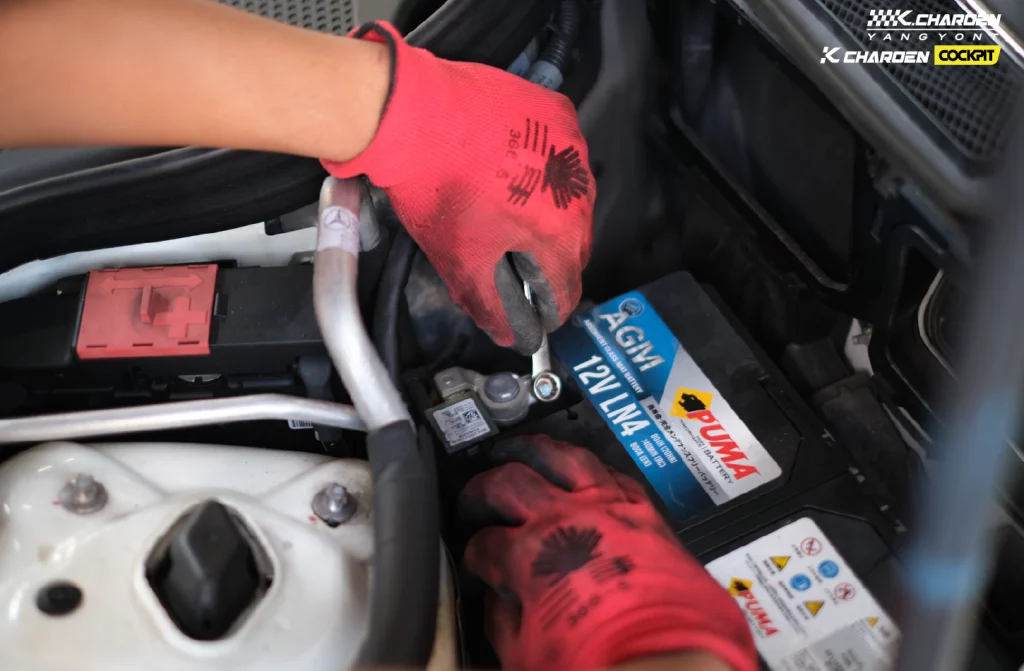
If you recognize the signs of a failing battery but find your car won’t start or it’s inconvenient to drive to a shop, we are ready to help. Our professional technicians provide on-site battery replacement services whether you are at the office, at home, or stranded on the road. Serving Bangkok and its vicinity, we arrive fully equipped with high-quality batteries to get you back on the move quickly—no towing required and no more headaches.
We understand how frustrating it is to deal with an expired or dead battery. At K. Charoenyangyont and K. Charoen Cockpit, we offer comprehensive solutions to meet all your needs, including health checks, battery replacements, and charging system inspections, ensuring your vehicle remains safe and reliable on every journey.
Summary
ecognizing the early signs of a failing battery—whether it’s a difficult start, inconsistent lighting, or malfunctioning electrical systems—saves you from the headache of a roadside breakdown. These are warning signs that should never be ignored. By maintaining your battery regularly and avoiding habits that accelerate wear, you can significantly extend its lifespan.
However, if you encounter severe symptoms, do not hesitate to contact K. Charoenyangyont or K. Charoen Cockpit. Our professional on-site battery replacement service is ready to solve your problems quickly, ensuring your vehicle returns to peak performance.
What Our Customers Say
“Excellent service! I’ve been a customer since they were at Rama 4 and Kluaynamthai. They are experts in tires, wheels, shock absorbers, brake pads, batteries, and more. Highly recommended!”
Review by YU
“Superb service! The team is punctual, and both the service and staff are very well-trained.”
Review by Pimchanok P.
About the Author
This article was prepared by the expert technical team at K. Charoenyangyont, founded in 1983 out of a passion for automotive excellence and a commitment to heartfelt service. Over the past 42 years, we have grown from a small tire shop into two premier locations: K. Charoenyangyont and K. Charoen Cockpit.
With decades of experience, we understand that battery failure is a common issue requiring immediate assistance. This led us to develop our professional on-site battery replacement service, bringing standard tools and skilled technicians directly to you—whether at home, the office, or on the road. Whether in-shop or on-site, we remain dedicated to serving you with the same expertise and sincerity that has defined us for over four decades.
If you are interested in our on-site battery replacement service or need further information, please contact:
K. Charoenyangyont Branch
Location: K. Charoenyangyont (Sukhumvit Branch)
Operating Hours: Monday – Saturday, 08:30 AM – 06:00 PM
Tel: 02 331 9911, 02 331 8882-4
Line: @kc4418
K. Charoen Cockpit Branch
Location: K. Charoen Cockpit (Udom Suk Branch)
Operating Hours: Monday – Saturday, 08:30 AM – 06:00 PM
Tel: 02 393 3356, 086 318 1401
Line: @kcockpit
SHARE THIS STORY


RELATES TAGS
More Post



Get to Know Car Tyres: The Essential Component That Makes Your Vehicle Perfect
Read More →
"Wheel Alignment and Balancing Near Me": How to Choose the Right Service for Your Vehicle
Read More →

On-Site Tyre Replacement Near Me by Expert Technicians – Fast Service (K Tyre Express)
Read More →